People from Würzburg Shaping Cultural Life
People from Würzburg Shaping Cultural Life: What to Watch for in 2026/2027
What makes a city a cultural city – the historic facades or the people who rehearse, curate, write, organize, and mediate behind the scenes? In Würzburg, this can be observed particularly well when new awards are given, new programs are published, and new collaborations become visible in the coming months and years.
This article deliberately looks ahead: Which roles and networks will be particularly influential in Würzburg's cultural life in 2026/2027, how can one recognize "new voices" – and how can they be discovered and supported early on?
The Municipal Culture Prize as a Cultural Compass – What the Next Award Can Show
When the city of Würzburg presents the next Culture Prize (including possible support and junior formats), it is more than a festive evening: The decision makes visible which artistic disciplines, working methods, and attitudes are currently perceived as particularly formative for the city. For the public and the scene, the upcoming award is therefore a good moment to observe how Würzburg positions itself culturally.
Those who want not only to consume but also to understand cultural life can ask themselves three main questions for the next round of awards:
- Which discipline is in focus? (e.g. music, literature, theater, visual arts, photography, interdisciplinary formats)
- What kind of impact is being recognized? (artistic excellence, mediation, development work, innovation, international appeal)
- Which structures are indirectly strengthened? (ensembles, free spaces, production networks, education and junior work)
Especially these "side effects" are central for a city: Often, it is not only the award winners who shape cultural life, but also the teams, places, and initiatives that make their work possible.
New Voices 2026/2027: Where to Find the Next Influential Figures First
Those who want to get to know the people today who will help shape the city's programming and aesthetics tomorrow should not just wait for big premieres or main stages. In Würzburg, formative impulses often arise where production and mediation are close together: in off-spaces, small concert series, reading stages, project labs, university contexts, neighborhood formats, or temporary exhibition spaces.
In 2026/2027, it is especially worthwhile to look at people who combine several roles:
- Artist + Mediator (e.g. workshops, inclusive formats, school cooperations)
- Curator/Producer + Networker (e.g. collaborations between institutions and the independent scene)
- Ensemble Leadership + Junior Work (e.g. junior programs, mentoring, open rehearsals)
- Art + Urban Development (e.g. interim use, culture in public space, neighborhood formats)
These "hybrid profiles" are often those that change a scene in the long term: They not only create works, but also access, structures, and audiences.
Cultural Medals and Recognitions: Why Engagement Will Likely Become Even More Visible in 2026/2027
In addition to artistic awards, municipal and regional recognitions for engagement play a decisive role. In the upcoming award rounds (2026/2027), it will be particularly relevant which types of work are considered "essential" for cultural life: organizational performance, voluntary continuity, junior support, barrier reduction, intercultural openness, or the stabilization of independent production conditions.
For the urban society, this has a practical benefit: Such honors serve as orientation as to which initiatives work reliably, where networks are emerging, and which offers create lasting access to culture.
Those who want to get involved themselves can support particularly effectively in 2026/2027 by:
- regularly attending local programs (including smaller series and secondary venues),
- structurally supporting associations and circles of friends,
- volunteering with cultural initiatives (e.g. admission, communication, technology, mediation),
- giving feedback (e.g. after audience discussions or via official contact channels).
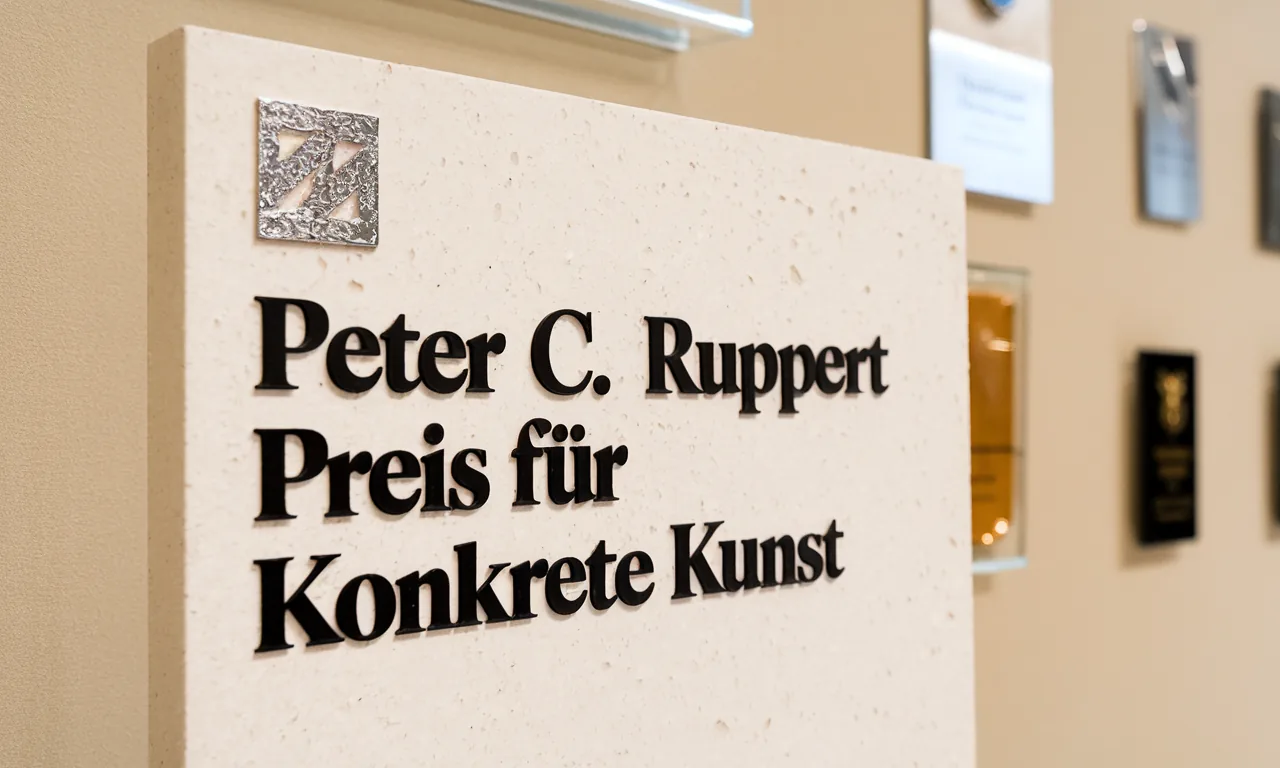
Prize Formats with International Reference: What Würzburg Can Present Externally in 2026/2027
Würzburg's cultural profile in the coming years will be evident not only in local programs, but also in awards and formats that promote exchange beyond the region. Particularly relevant are prize formats that:
- bring European or international perspectives to the city,
- strengthen collections, exhibition work, and mediation in the visual arts,
- initiate collaborations between institutions, independent actors, and educational venues.
For visitors, this is a simple "travel plan" tip: Those who want to experience Würzburg culturally in 2026/2027 should not only look for individual events, but for program lines (e.g. theme years, series, festival axes, focus exhibitions). This is where new signatures are usually most apparent.
Education, Young Talent, and Transitions: Where the Next Influential Careers Are Emerging
A cultural ecosystem grows where young artists and cultural workers find realistic transitions: from education to practice, from first projects to stable production conditions, from local visibility to supraregional networking. In 2026/2027, it will therefore be crucial how well Würzburg:
- makes rehearsal rooms, performance, and exhibition spaces accessible,
- organizes collaborations between institutions, university contexts, and the independent scene,
- treats mediation (children/youth, inclusive offers) not as an "add-on" but as a core task,
- practically promotes dialogue between the city and the region (joint series, guest performances, exchange formats).
For the audience, this means: Those who repeatedly see the same names in different contexts over the next two years (e.g. stage + workshop + curated project) are very likely observing people who will permanently shape cultural life in the future.
What This Means for Würzburg's Cultural Future – and How to Help Shape It in 2026/2027
The people who shape Würzburg's culture are not a fixed list. In 2026/2027, those will become visible above all who:
- develop new aesthetic positions and at the same time reach audiences,
- build structures (series, venues, collaborations),
- practically expand cultural participation (with fewer barriers, more diversity, lower thresholds),
- represent the city externally without losing local roots.
For Würzburg, this means: Culture is not only shown, but organized, mediated, and enabled. In the future, those who speak of a "cultural city" will increasingly have to talk about this enabling work – and about the people who do it.