Urban Transformation Würzburg: New Neighborhoods & Apartments
Urban Transformation: New Neighborhoods & Projects in Würzburg (Preview for the Coming Years)
In the coming years, Würzburg is preparing several urban development projects that are set to noticeably change living, working, arriving, and staying in the city. This overview focuses exclusively on planned and upcoming steps.
New Neighborhoods: Housing, Mixed Use, and Short Distances
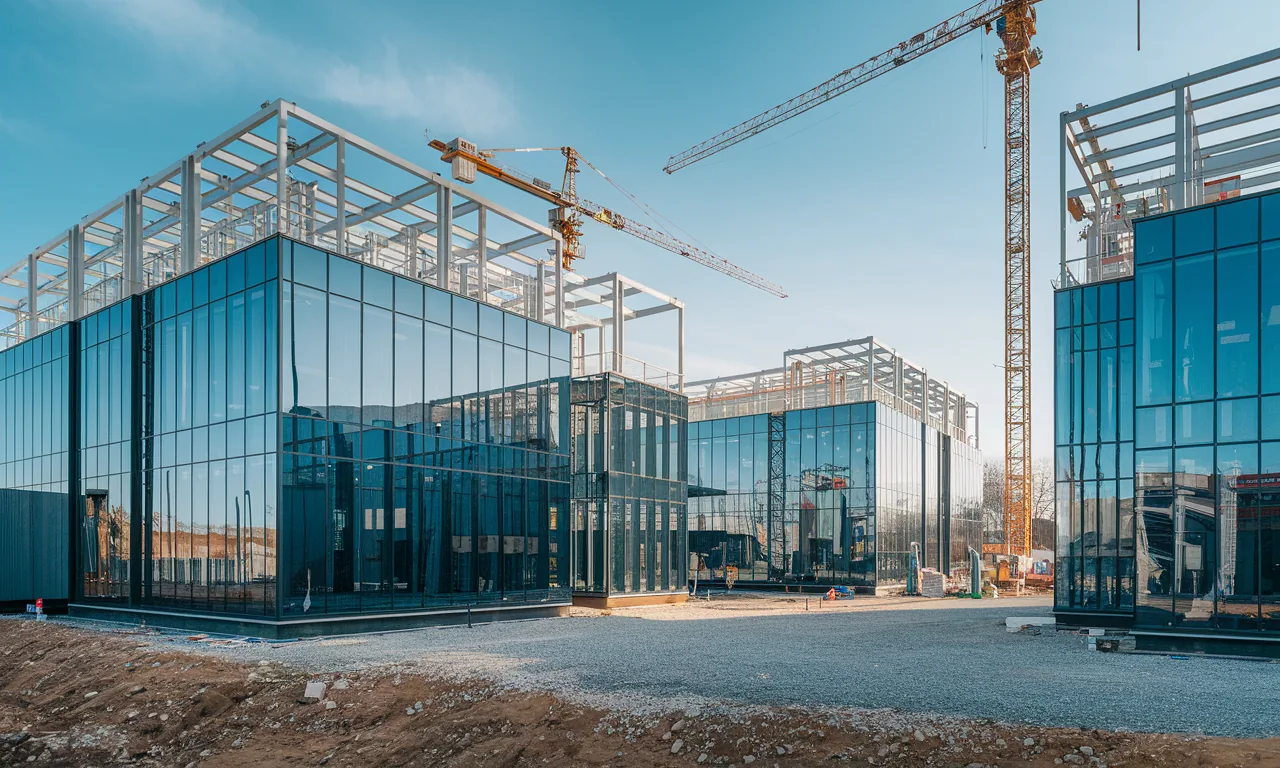
For new inner-city neighborhoods, Würzburg is focusing on compact development, mixed use, and social infrastructure. The following developments are planned for the coming years:
- A former energy site is being further developed into a residential neighborhood with various apartment sizes. Ground floor uses for local amenities and services as well as pedestrian connections to public transport are planned.
- Behind the former cattle auction hall on Veitshöchheimer Straße, a residential project is being prepared that will close the urban gap in the area and improve the quality of stay along the street.
- A vacant plot in the Zellerau industrial area is being prepared for small-scale residential offerings; open spaces and communal areas are part of the planning.
- On Randersackerer Straße, a neighborhood with an integrated daycare center and subsidized apartments is planned; completion is currently targeted for the end of 2026.
Cross-cutting goals of the projects are sustainable construction methods, energy-efficient building standards, greening, rainwater management, and mobility options such as safe cycling and walking paths, car and bike sharing, and good public transport connections.
Hubland: Next Development Steps in the Conversion Area
Hubland will remain a central development focus in the coming years. Upcoming measures are aimed at refining the mix of uses, providing further housing, and adding educational, cultural, and leisure components in proximity to the landscape park.
- Additional energy-efficient residential buildings and townhouses with photovoltaics, e-mobility infrastructure, and communal open spaces are planned.
- The further development of local amenities, social facilities, and small-scale commercial spaces is planned to shorten everyday routes.
- Open space connections to the landscape park will be expanded to strengthen stay and active mobility.
With its proximity to the university, research, and businesses, Hubland is intended to continue providing impulses for knowledge transfer, new jobs, and a vibrant neighborhood.
Bismarck Neighborhood at the Main Train Station: The Future Gateway to the City Center
On the former post office site at the main train station, a mixed-use, urban neighborhood is being planned that will fundamentally reorganize the arrival situation in Würzburg.
Planned Components
- Housing with a share of subsidized apartments (targeted at about 30 percent) and various apartment sizes for diverse households.
- Offices, services, and hotel spaces to enable short distances between mobility, work, and stay.
- Ground floor uses for local amenities as well as active ground floor zones with gastronomy and services.
Spaces, Routes, and Quality
- New green and recreational areas between the buildings to enhance the quality of stay.
- A neighborhood underground garage will bundle stationary traffic; connections between the station and city center will be improved.
- The pedestrian underpass (“Harp Tunnel”) is to be shortened and redesigned to make access more comfortable and safer.
- The project aims for DGNB Gold certification to anchor sustainability in a measurable way.
Overall, a landmark neighborhood is being created that will make arriving in Würzburg more urban, greener, and pedestrian-friendly.
Bossi Neighborhood Grombühl: Further Development of the Existing Stock
In the Bossi neighborhood, modernization and socially oriented housing construction will continue in the future. Further energy upgrades, needs-based apartment layouts, and high-quality open spaces that promote encounters are planned.
- Energy measures focus on efficient building standards, renewable heating, and photovoltaics to stabilize operating costs and support climate goals.
- Community spaces, play, and recreational areas are intended to strengthen neighborhood togetherness.
- Social diversity remains a core goal; subsidized apartments continue to be part of the planning.
City Center & Digital City: Participation and Smart Services
For future city center development, Würzburg is focusing on participation and digital tools. Results from online dialogues and participation formats are incorporated into the Mobility Plan 2040 and urban development concepts.
- Digital participation platforms allow suggestions to be made on traffic, greening, and the use of public spaces.
- A central service app bundles information from the city and region and is gradually being expanded with functions such as notifications, event information, and mobility offers.
- A smart city hub serves as the technical backbone to securely process municipal data and develop applications as needed.
For the city center, this means: decisions are increasingly based on broadly integrated perspectives and data-based analyses to make routes, squares, and uses future-proof.
Outlook: What Citizens Can Expect
- More mixed neighborhoods with short distances to daycare centers, local amenities, and public transport.
- Stronger links between living, working, education, and leisure.
- Higher quality of stay through greenery, shade-providing planting, and attractive ground floor uses.
- Transparent participation processes and digital services that make participation easier.
- Energy efficiency, renewable energies, and climate-resilient open spaces as guiding principles of planning.
Sources & Further Information
- City of Würzburg – Mobility Plan 2040 — Official information on goals, participation, and milestones (accessed 2025-12-31)
- City of Würzburg – Urban Development — Overview of current and planned projects (accessed 2025-12-31)
- Smart City Würzburg — Model project, participation platforms, and digital initiatives (accessed 2025-12-31)
- Hubland Würzburg – Project Page — Information on further neighborhood development (accessed 2025-12-31)
- Stadtbau Würzburg — Information on existing developments and subsidized housing (accessed 2025-12-31)
- City of Würzburg – Urban Development Projects — Descriptions of neighborhoods including Post/Bismarck area (accessed 2025-12-31)