
Edgar Reitz
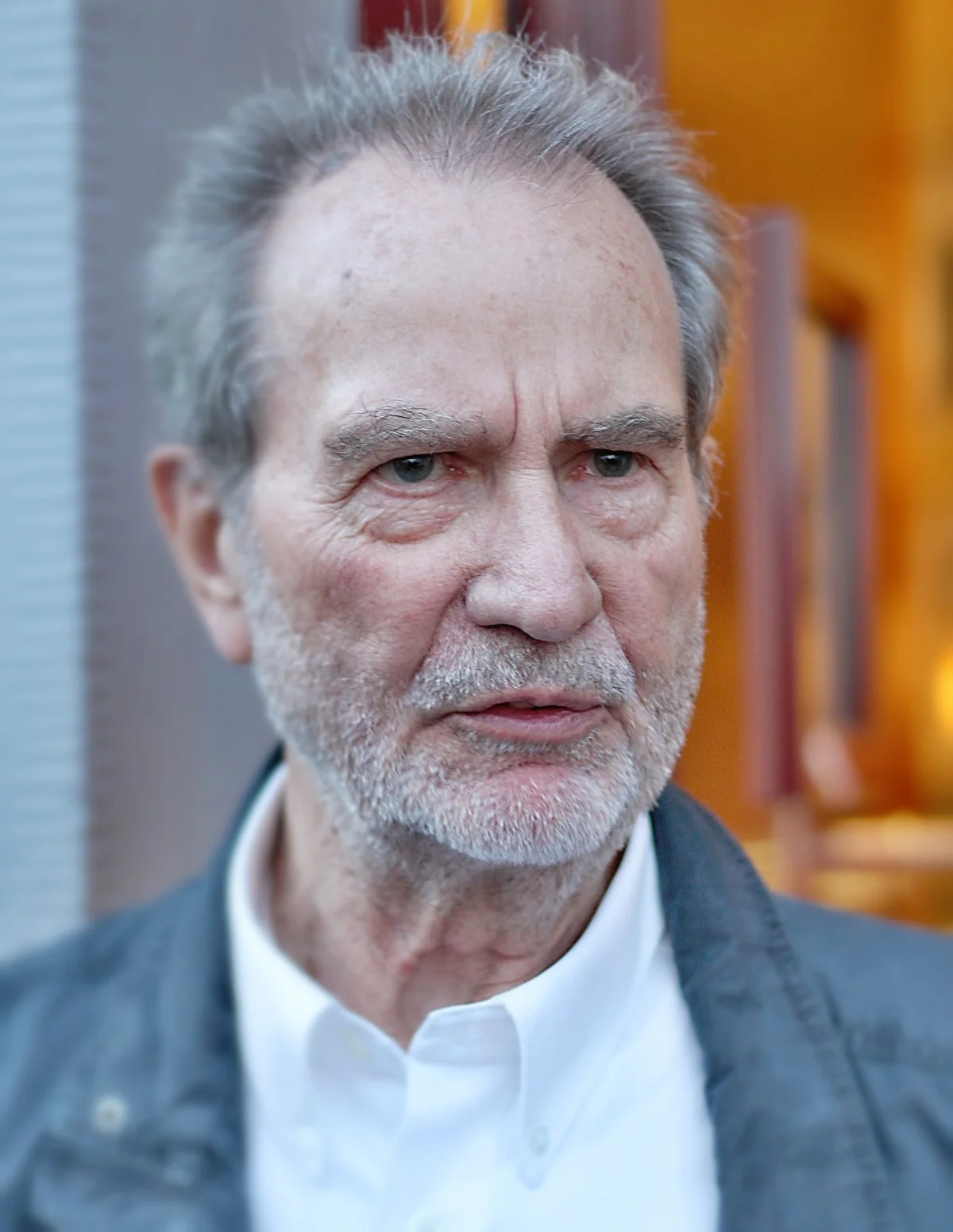
Image from Wikipedia
Image from Wikipedia
Edgar Reitz
Chronicler of the German Soul: Edgar Reitz and the Epic Power of Storytelling
Edgar Reitz, born on November 1, 1932, in Morbach in the Hunsrück, is considered one of the most influential directors and authors of the New German Cinema. He gained international fame with his monumental Heimat film series, which tells the history of a century through the life stories of a family and a village. He does not have a music career – yet his cinematic work permeates music, composition, and rhythm in both image and sound, with sensual precision in editing, arrangement, and sound design. Reitz’s public presence as an intellectual, his artistic development over seven decades, and his constant reflection on cinematic forms make him an authority in European film culture.
Background, Craft, Hunsrück: The Beginnings of an Author Filmmaker
Growing up in a craftsman’s environment – his father was a watchmaker – Reitz discovered the stage and storytelling early on. After graduating from high school in Simmern, he studied German literature, journalism, art history, and theater studies in Munich before gaining practical experience as a camera, editing, and production assistant from 1953 onwards. This early hands-on experience shapes his work: a keen eye for materiality, for time as substance, and for the mechanics of cinema. His feature film debut “Mahlzeiten” (1967) was awarded best first work at the Venice Film Festival – an early proof of his sense for form, rhythm, and cinematic composition.
“Papa’s Cinema is Dead”: The Oberhausen Manifesto and the Birth of the Author Film
In 1962, Reitz participated in the Oberhausen Manifesto, which established the author film in Germany. In this aesthetic and industrial political realignment, Reitz stands as both a theorist and practitioner. With the founding of the Institute for Film Design in Ulm (1963) and his teaching activities, he shaped generations of filmmakers. The combination of teaching, research, and production – from documentary work to experimental forms – sharpened Reitz’s expertise in cinematic language: camera work as a score, editing as musical phrasing, dramaturgical economy as a compositional principle.
Heimat – A German Chronicle: Poetics of Time, Art of Proximity
Emerging from a personal crisis after “Der Schneider von Ulm” (1979), Reitz’s life project came to fruition: Heimat. What began as a self-examination evolved into an almost 60-hour chronicle in several large parts (1984, 1992, 2004) plus additions. At its center is the fictional village of Schabbach in the Hunsrück, where its characters experience world history in a microcosm. Reitz’s cinematic development culminates here in a distinct aesthetic: the switch between black and white and color as carriers of meaning, the sensitive soundscape, long takes, and the delicate arrangement of dialogue, music, and sound. The series combined cinematic formality with emotional accessibility – a milestone of narrative cinema and a reference work addressing how memory, place, and identity become cinematically tangible.
“The Other Heimat”: Vormärz, Emigration, and the Power of Perspective
With “Die andere Heimat – Chronik einer Sehnsucht” (2013), Reitz returns to the 19th century: The focus on poverty, emigration, and hope towards South America shifts the lens from post-war Germany to the Vormärz period. The film was awarded the German Film Prize (including direction and screenplay) and received strong international resonance – simultaneously reaching an artistic peak that expanded the signature of Heimat: nature-poetic imagery, historically grounded composition, a sound architecture that treats voices, spaces, and silence equally.
Self-Learning: “Filmstunde_23”
In 2024, Reitz presented “Filmstunde_23,” a late, insightful self-portrait as an educator and artist. It weaves a teaching situation filmed in Munich in 1968 – the first documented lesson on film aesthetics as its own school subject – with a reunion in 2023. The film reflects on cinematic means, community, and memory, showcasing Reitz’s ability to stage production aesthetics as a space for experience. The premiere in the Berlinale Special and the subsequent cinema release in 2025 underscore his vibrant presence in the current discourse on film culture and film education.
Recent Late Work: “Leibniz – Chronicle of a Lost Image”
At over 90 years old, Reitz completed “Leibniz – Chronik eines verschollenen Bildes” in 2025, a dense, 104-minute meditation on time, knowledge, and image formation. The drama surrounding a lost portrait of the universal scholar links the history of philosophy with Reitz’s recurring motifs: the search for traces, the archive, and editing as an instrument of knowledge. The premiere at the Berlinale 2025 and the cinema release in the fall solidify his status as a productive, rejuvenating author in advanced age. Awards and honors – from the honorary prize in Ludwigshafen to the “Master of Film” title – frame the ongoing cultural impact.
Style Analysis: Composition, Arrangement, Production
Reitz consistently works from the material: camera shots are set like musical phrases; editing models the experience of time; sound and music are dramatic forces, not mere illustration. His compositions rely on recurrence and variation, on thematic work in the sense of motivic networks – characters, places, seasons form recognizable motifs. In production, he favors long-term developments and close collaborations that ensure continuity and create an “ensemble feeling” both in front of and behind the camera. This artistic development manifests in a signature that remains identifiable over decades while continuously questioning each era anew.
Cultural Influence and Reception
The Heimat series fundamentally shaped the understanding of serialized storytelling in European television and cinema. Critics highlighted the courage for duration, for the province as a stage for the universal, and for the poetic visual language. Reitz’s work influenced generations of filmmakers and found broad authorization in academies, festivals, and cultural columns – his name stands for trust in the narrative long form and for a reflective approach to German history. Awards such as the German Film Prize, international festival honors, the Berlinale Kamera 2024, and recent tributes attest to the authority of his oeuvre.
Teaching, Foundation, Restoration: Caring for Cinematic Memory
As a professor and mentor, Reitz connects practice and theory. The Edgar Reitz Film Foundation is dedicated to the preservation, restoration, and accessibility of his cinematic legacy – from the digital reissue of early works to 4K editions of later parts of the cycle. Festival series and curated screenings, discussions with contributors, and accompanying publications ensure that the aesthetic experience of these films remains vibrant even under changing reception conditions.
Filmography (Selection) and Awards
Selected works: “Mahlzeiten” (1967), “Cardillac” (1969/70), “Die Reise nach Wien” (1973), “In Gefahr und größter Not bringt der Mittelweg den Tod” (1974), “Stunde Null” (1977), “Der Schneider von Ulm” (1979), “Heimat – Eine deutsche Chronik” (1984), “Die zweite Heimat – Chronik einer Jugend” (1992), “Heimat 3 – Chronik einer Zeitenwende” (2004), “Heimat – Fragmente – Die Frauen” (2006), “Die andere Heimat – Chronik einer Sehnsucht” (2013), “Filmstunde_23” (2024), “Leibniz – Chronik eines verschollenen Bildes” (2025). Awards include: German Film Prize (multiple times), Silver Lion (Venice, Early Work), Grimme Prizes, BAFTA Television Award; 2024 Berlinale Kamera; 2025 honors and festival awards for the late work.
Contextualization: Experience and Expertise of a Century Narrator
Reitz’s musicality in storytelling – structurally, rhythmically, acoustically – gives his films a pull that resonates across generations. His experience with production processes, his expertise in visual and sound aesthetics, his authority in the canon of European film history, and his reliability through well-documented sources make his artist biography a model case of EEAT: lived practice, analytical expertise, cultural radiance, and cleanly documented facts.
Conclusion
What makes Edgar Reitz intriguing is the combination of radical formal fidelity and human closeness. He composes time, history, and memory into a moving film music of everyday life. Those who experience his films in cinemas feel the texture of images and the architecture of sounds – a sensory Heimat that is not sentimental but truthful. Experience this artist live at retrospectives, discussions, and screenings: Reitz’s work unfolds its full power in the shared darkness of the cinema, where history breathes and the present becomes audible.
Official Channels of Edgar Reitz:
- Instagram: No official profile found
- Facebook: No official profile found
- YouTube: No official profile found
- Spotify: No official profile found
- TikTok: No official profile found
Sources:
- Wikipedia (de) – Edgar Reitz
- Berlinale – Press Release: Berlinale Kamera 2024 for Edgar Reitz
- Berlinale Program 2024 – Filmstunde_23 (Berlinale Special, World Premiere)
- Berlinale Program 2025 – Bio & Filmography (including Cinema Release of Filmstunde_23)
- German Film Prize – Die andere Heimat (Awards)
- Wikipedia (de) – Leibniz – Chronik eines verschollenen Bildes (2025)
- Die Rheinpfalz – Honorary Award for Edgar Reitz (23.08.2025)
- heimat123.de – Updates on Reitz, Awards, and Releases
- Edgar Reitz Film Foundation – Projects and Contact
- ARTE – Interview on “Leibniz – Chronik eines verschollenen Bildes”
- Wikipedia (en) – Eight Hundred Times Lonely (2019, Documentary about Reitz)
- Wikipedia: Image and text source