
Erich Kästner
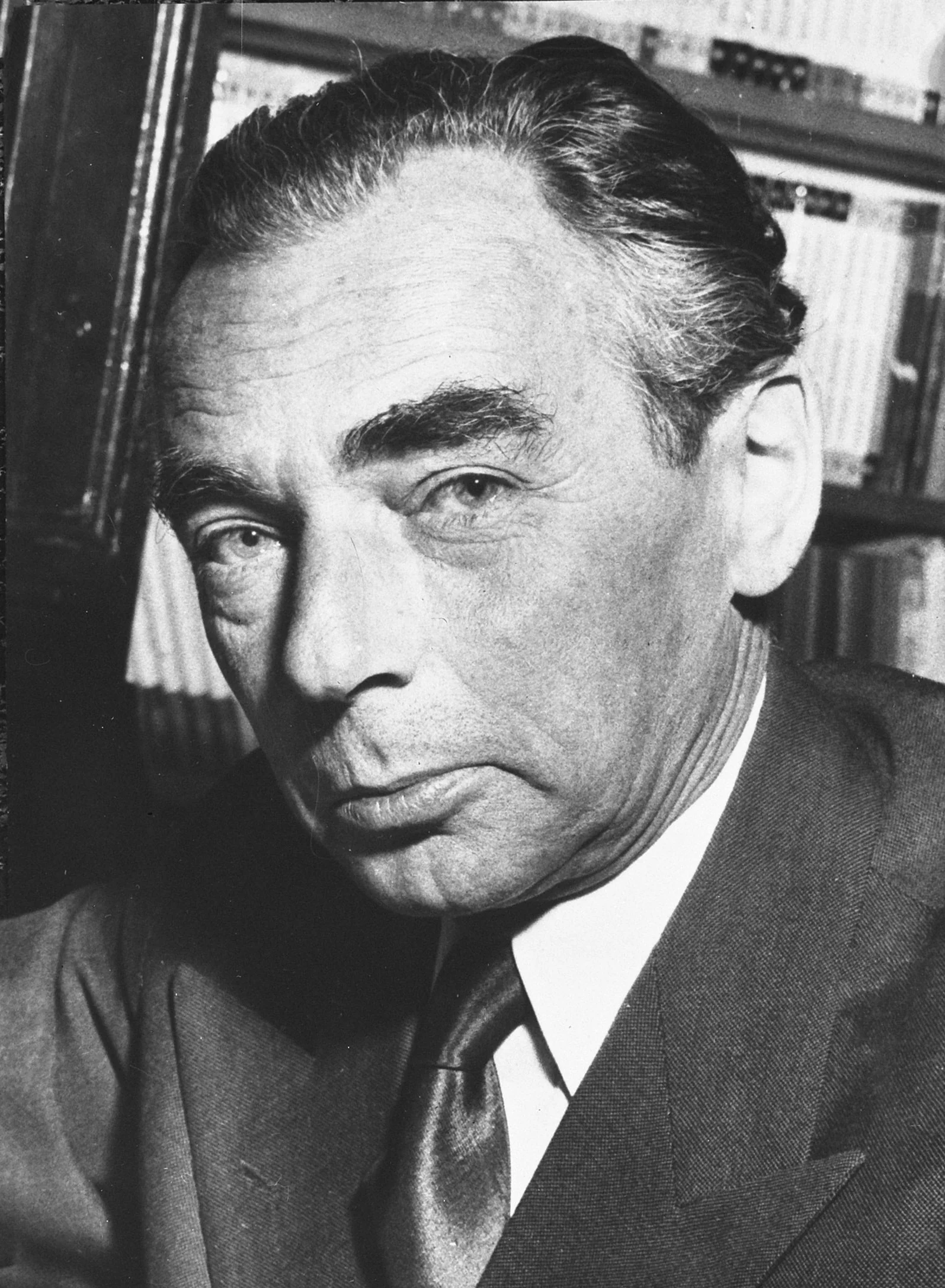
Image from Wikipedia
Image from Wikipedia
Erich Kästner – Poet, Chronicler, and Cabaret Author with a Distinct Voice
A Century Talent Between Poetry, Children's Literature, and the Musical Stage
Erich Kästner shaped 20th-century German-speaking literature with his keen observational skills, sharp wit, and unwavering humanity. Born in Dresden in 1899 and passing away in Munich in 1974, he combined socially critical poetry, journalistic precision, cabaret texts, and unforgettable children's books into a body of work that has accompanied generations. His broader musical career – as a cabaret poet, librettist, radio play author, and reciter – shows an artistic development in which language, voice, and sound are closely intertwined. Kästner's stage presence during readings and radio appearances, his collaboration with composers, and the lasting impact of his texts in musical settings and audio productions demonstrate his cultural breadth.
Early Years: Education, Influences, and a Sense of Reality
Growing up in Dresden, Kästner received a solid education and earned his doctorate in 1925 in Leipzig. The experiences of World War I solidified his pacifist tone, which later manifested in his poems, essays, and children's books. He began writing for prestigious publications early on, honing his craft as a reviewer and cultural journalist, and quickly found his own tonal voice: crystal clear, pointed, independent. This experience in journalism and public relations shaped his understanding of composition, arrangement, and dramatic economy – qualities that structure both his later audio pieces and cabaret numbers, as well as his prose.
Berlin 1927–1933: Breakthrough in the Weimar Republic
In Berlin, Kästner's productivity blossomed: poetry collections like "Herz auf Taille" and his "Gebrauchslyrik" became signatures of New Objectivity. Simultaneously, he developed the narrative power that effortlessly connects children's literature with social satire. His 1929 novel “Emil und die Detektive” achieved international fame; the novel combined urban modernity, moral clarity, and pace. During this period, his affinity for stage performance – for chanson, radio, and audio plays – emerged, making his texts especially adaptable to musical forms.
Audio Play, Cabaret, and Music: Language in Dialogue with Sound
A key work for Kästner’s connection between literature and music is the 1929 premiere of the audio play “Leben in dieser Zeit.” Designed as a lyrical suite, he assembled poems, choirs, sounds, and intertextual passages into a precise sound collage; composer Edmund Nick created the music for it. This collaboration elevated poetic structure into a quasi-symphonic narrative: rhythm, rhyme, and scenic timing became compositional building blocks. “Leben in dieser Zeit” resonated widely on German-speaking stages and in radio – a testament to Kästner’s ability to transform literary material into performative, musically influenced forms.
Staying and Writing: 1933–1945
After the Nazis came to power, Kästner chose to remain in Germany. His books were banned and burned; nevertheless, he continued to write, often under pseudonyms. During this time, he wrote scripts for entertainment films; Kästner's sense of scenic economy and dialogue rhythm shaped their tone. The repression intensified his satirical and often epigrammatic approach to language: concise lines, clear punchlines, a moral vibrato that persists to this day. These years also sharpened his understanding of voice as an instrument – whether in readings, commentaries, or voiceovers.
New Beginnings in Munich: Editing, Cabaret, Children's Literature After 1945
After the war, Kästner moved to Munich, worked as a cultural editor and publisher, and returned emphatically to the stage. In literary cabarets like "Schaubude" or "Die kleine Freiheit," he wrote sketches, songs, audio plays, and essays. His texts addressed experiences of war, post-war reality, and democratic renewal – always with an audible pulse. At the same time, he provided new impulses for children's literature: works like "Das doppelte Lottchen" and "Die Konferenz der Tiere" combine humanistic ethics, comedic ease, and dramatic clarity and have been adapted for stage, film, and audio recordings.
Voice, Recordings, and Reception: From the Studio to the Archive
Kästner frequently performed as a reciter, reading in theaters and on the radio, and occasionally narrated adaptations of his own works. His collaborations with record labels and radio stations left a mark in the sound archive – from poetry recitations to audio play productions. His texts have been newly set to music, recorded, and read over decades; the continuity of the recordings demonstrates how well his poetry and prose respond to acoustic dramaturgy, to rhythm, pauses, and punchlines. This discographic tradition – from historical audio plays to current spoken-word and song albums – keeps his work present in the soundscape of the present.
Awards, Institutions, and Cultural Authority
Kästner's authority rests on narrative mastery, civil rights stance, and institutional engagement. In 1960, he received the renowned Hans-Christian-Andersen Award; he was proposed several times for the Nobel Prize in Literature. As president of the West German PEN Center, he shaped the literary public sphere between 1951 and 1961; he contributed to the founding of the International Youth Library and advocated for children's and youth literature on an international level. These roles emphasize his position as a mediator between literature, education, and the public sphere – an authority that continues to influence literary houses, museums, and publishers to this day.
Work Profile and "Discography" in a Broader Sense: Audio Pieces, Musical Adaptations, Recordings
Although Kästner was primarily a writer, his work is particularly suited for sound formats. Audio plays, readings, song cycles, and recitations create an acoustic tradition line that stretches from historical radio productions to today's streaming. Most prominently is “Leben in dieser Zeit,” whose concert and audio play versions have been repeatedly recorded. Additionally, the audio tracks range from children's audio plays to poetic albums that reinterpret his poems. This "discography" shows how strongly his language thinks musically: clear phrasing, melodic rhymes, metrical precision, scenic punchlines.
Musical Development and Style: New Objectivity Meets Chanson
Kästner's poetry merges the sobriety of New Objectivity with the suggestiveness of chanson. His poems utilize regular meter, surprising internal rhymes, refrain motifs, and scenic tableaux that resemble miniatures of an urban song. In cabaret formats, this poetics unfolded ideally: texts as numbers, punchlines as cadences, irony as harmonic tension. Collaboration with composers like Edmund Nick transformed language rhythm into resonant dramaturgy: voices, choirs, orchestras – always in dialogue with the semantic precision of the verses.
Cultural Influence: From Children's Rooms to Chamber Drama
Kästner's cultural influence is multifaceted. His children's books embody an ethic of self-efficacy, solidarity, and fairness – values that continue to be carried forth in schools, theaters, and audio plays today. His satirical poetry sharpened the sensitivity for language as a moral instrument, and his cabaret educated the audience in democratic skepticism. Film adaptations, radio programs, and new musical adaptations testify to his enduring resonance. At the same time, Kästner remains a reference point for the connection between art and enlightenment: literary quality that is not exhausted in the ivory tower but is tested in the public domain – on stages, in broadcasting, and in classrooms.
Current Projects and New Releases
Even decades after his death, new recordings, editions, and program works continue to bring Kästner's texts into the acoustic present. Spoken word and song productions dedicate themselves to his poems; audiobook re-releases keep popular subjects accessible to family audiences. Radio formats reflect Kästner's themes – such as winter, Christmas, childhood, or urban life – in essayistic music mixes and collages. Literary societies curate new releases, editions, and awards that highlight his relevance in research, publishing practices, and stage operations.
Reception and Critique: Precision, Empathy, Humor
The music press, in the strict sense, rarely wrote about Kästner – yet whenever his texts are set to music, read, or staged, critiques acknowledge the blend of precision and empathy. His children's novels are considered classics; his satires as insightful chronicles of a century. In audio play and chanson programs, his work captivates through balance: sharp perspective, light tone, moral seriousness – and an infallible sense of timing. These qualities explain why his texts possess the transformative power to move into ever new genres while retaining their core.
Conclusion: Why Erich Kästner Deserves to Be Heard and Read Today
Erich Kästner remains compelling because his texts view the present with a clear mind and a warm heart. As a poet, cabaret author, and storyteller, he mastered composition and form, while as a reciter and audio play author, he understood the stage of sound. His children's books represent humanity without sentimentality, while his satires exemplify enlightenment without pretension. Those who read him – or "hear" him in readings, audio plays, and new musical adaptations – experience an artist who does not sugarcoat reality yet still believes in a better coexistence. Recommendation: Kästner thought live – in staged readings, in audio plays, in concert programs – showcases his language in full resonance.
Official Channels of Erich Kästner:
- Instagram: No official profile found
- Facebook: No official profile found
- YouTube: No official profile found
- Spotify: No official profile found
- TikTok: No official profile found
Sources:
- Wikipedia (DE) – Erich Kästner
- Wikipedia (EN) – Erich Kästner
- Wikipedia – Leben in dieser Zeit (Audio Play, Music: Edmund Nick)
- Erich Kästner Gesellschaft e.V. – Official Website
- Erich Kästner Gesellschaft – New Releases Related to Erich Kästner (2025)
- ORF Ö1 – "Christmas Music for Erich Kästner" (Broadcast on December 25, 2024)
- Apple Music – Peter Rinner: "Erich Kästner: Gedichte" (2024)
- Apple Music – "Erich Kästner Lieder" (2024)
- Apple Music – Oliver Steller: "Erich Kästner (Gedichte, Briefe, Leben zum 100. Geburtstag)"
- IMDb – Erich Kästner: Biography
- TIDAL – Erich Kästner (Audio Play/Album Entries)
- Wikipedia: Image and Text Source
Upcoming Events
Bureaucracy in Literature
A morning full of satire and linguistic wit at the House of Encounter Erding: The Literature Club reads about bureaucracy. September 8, 2025, 11 AM, free admission. #Literature
Allow me, Kästner! – Literary-Musical Revue
An evening full of language art in Fürth: Allow me, Kästner! combines reading, chanson, and storytelling. Sat 17.01.2026, 19:30, prices €14–46. Humanity, wit, music – experience it live. #ErichKästner
Fabian or the Gang to the Dogs
Discover Erich Kästner's novel as a fascinating theater production at the Aschaffenburg City Theater. An unforgettable evening awaits you!
Three Men in the Snow (by Erich Kästner)
Kästner's winter comedy conquers Freising: Three Men in the Snow combines wit, confusion, and heart at the Asamtheater. 17.10.2026. #Theater