
Ingo Appelt
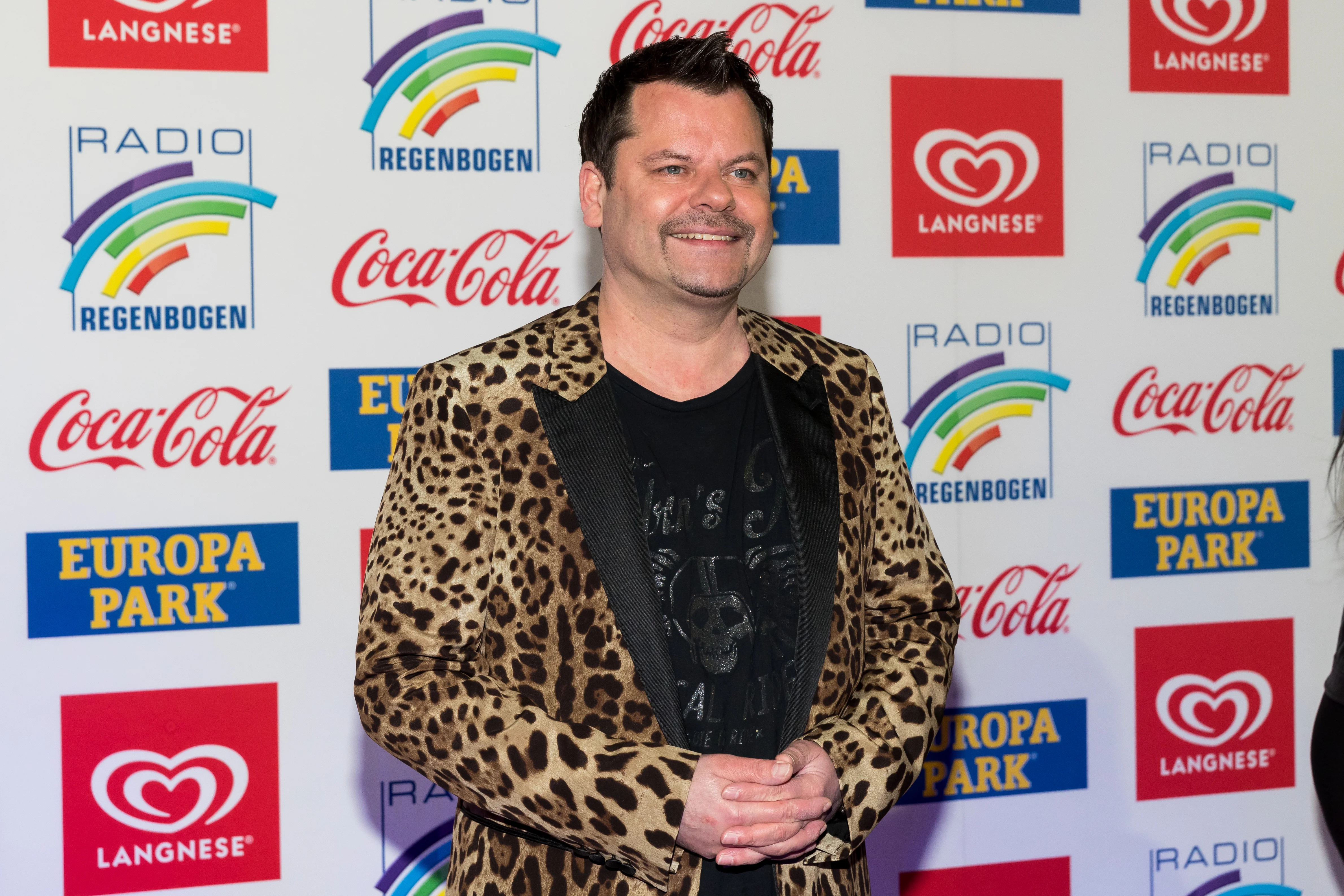
Image from Wikipedia
Image from Wikipedia
Ingo Appelt – The Dark Joke as an Art Form: Portrait of a Defining German Comedian
From the Workshop to the Big Stages: Why Ingo Appelt Has Shaped German Comedy since the 1990s
Ingo Appelt, born on April 20, 1967, in Essen, is one of the most distinctive voices in German comedy. His music career plays no role here – instead, it is his stage presence, artistic development, and uncompromisingly pointed observations of societal everyday life that shine. Trained as a machine mechanic, Appelt found his way into the cabaret scene through union work and early performances before he has been working full-time as a comedian since 1993. Since then, he has filled theaters, shaped TV formats, and published live programs, albums, and books that understand comedy as an art of timing, arrangement, and linguistic “production.”
Early Years: Training, First Performances, Political Sensitivity
Characteristic of Appelt's experience is the journey from the working world to the stage. After completing his apprenticeship at Siemens, he gained vital practice in 1989 during a performance at an IG Metall conference – a moment that sharpened his muscles for punchlines, audience interaction, and spontaneous improvisational craft. This proximity to experience shapes his themes: everyday observations, gender roles, politics, and pop culture. The professional breakthrough followed in 1993; from then on, he went on tour and into the studios of major broadcasters.
Career Breakthrough: TV Shows, Quatsch Comedy Club, and National Fame
The 1990s made Appelt the face of a new wave of comedy. Guest appearances on formats such as RTL Samstag Nacht, Quatsch Comedy Club, or 7 Tage, 7 Köpfe anchored him in the collective memory. His stage craft – sharply cut setups, clearly defined conflicts, surprising "punchlines" – resonated with a television audience that was ready for modern stand-up dramaturgy. His media presence reinforced his authority: Those who frequently play prime-time stages set standards for timing, rhythm, and comedic highs and lows.
The Stage Author: Programs as Dramaturgical Albums
Appelt treats his live programs like a composer treats his discography: recurring motifs, theme variations, volume in the tension arc. With titles like Der Abräumer (1997) and Feuchte Seite (1998), he established a clear brand aesthetic: provocative, physical in performance, and pointed in text. Later programs – Männer muss man schlagen (2008), Frauen sind Göttinnen – Wir können nur noch beten (2011), or Besser … ist besser (2017/2018 documented as a live double CD) – showcase his ability to humorously arrange social debates: He dissects media language, role models, and politics using the tools of timing, escalation, and controlled boundary crossing.
Audio and Video Releases: The “Discography” of a Comedian
Even without a classical music repertoire, Appelt has an impressive audio and video footprint. His albums function like live recordings of a band: they preserve groove, dynamics, and refrain-like running gags. Notable releases include Der Abräumer (1997), Feuchte Seite (1998), Superstar (2004), Männer muss man schlagen (2008), and Frauen sind Göttinnen – Wir können nur noch beten (2011). With Besser … ist besser, a comprehensive live documentation appeared in 2017/2018, followed by the compilation Das Beste von Ingo Appelt: Der Staatstrainer in 2020. The format highlights his expertise: texts, tonality, and the finely placed “microphone direction” are archived and made accessible like a production in popular music.
Current Phase 2024–2025: New Program, TV Specials, Stage Marathon
The latest creative phase emphasizes experience and relevance. In 2024, Startschuss, a TV special, was released, condensing his stage energy into a compact format. Simultaneously, the ongoing live program MÄNNER NERVEN STARK marks the tour DNA of these years: a two-and-a-half-hour journey through relationship skirmishes, notions of masculinity, and social trigger zones – always beyond the comfort zone, yet close to the audience's pulse. Guest performances, additional dates, and sold-out evenings demonstrate that his style – the “verbal sledgehammer” – still resonates in the present. In 2024, he also appeared on Quatsch Comedy Show with fresh bits on the everyday functionality of the modern man; TV platforms also remain his resonance space.
Host and Media Presence: From “Kabarett aus Franken” to Specials
For a decade, Appelt shaped the BR series Kabarett aus Franken (2014–January 2024) as a host. The format showcased his dramaturgical competence: leading an ensemble, presenting talents, timing transitions – a task known in music as curatorial “arrangement.” TV specials and platform premieres translate his stage language into visual direction and editing: punchlines are focused on in close-ups, audience reactions provide the backbeat that drives the humor.
Style and Technique: Timing, Bodywork, Language Composition
Ingo Appelt's humor thrives on uncompromising directness. He works with contrasts – tender observation versus coarse punchline, philosophical thought versus cheeky pun – creating a comedic polyphony. His “arrangement” is precise: setups are tightly constructed, pauses serve as rhythmic off-beats, and physical accents (facial expressions, posture, timing with the microphone) shape the phrasing. The artistic development of recent years shows even more structure: longer bits grow into suites, motifs recur, and the closing chord of an evening summarises the themes like a coda.
Themes and Cultural Influence: Gender, Politics, Pop Culture
Appelt tests boundaries – consciously, calculatedly, with the risk of contradiction. This wrestling for friction turns his performances into societal resonance rooms. His pieces unfold like cultural-critical essays in stand-up form: he links role clichés, media hypes, and reality, collaging them with exaggeration and then directing attention to human frailty – his actual “hook.” As an experienced stage worker, he harnesses the dynamics of the live situation: laughter as collective catharsis, provocation as a dramatic effect, reconciliation in the denouement.
Releases, Books, and a Surprising “Single”
Apart from his stage albums, Appelt published the book Männer muss man schlagen in 2008, which essays his content. Notably, the 2000 single Tanz für mich, released with Aquagen, serves as a curious footnote that has not left his humor cosmos: rhythm, refrain, audience call – all remain performative music of laughter for Appelt. The sum of his releases illustrates his long-distance format: he thinks in cycles, refines material, and relies on recognizability without stagnation.
Stage Practice as a Quality Feature: Experience Matters
Experience is Appelt's strongest currency. He knows the craft from the small hall to the TV stage, responding to room acoustics, seating plans, and audience temperature. This practical proximity generates trust: you can feel that the gags do not freeze at the desk but are forged in live dialogue. His authority derives from consistency, presence in leading formats, and documented releases; his expertise is evident in the precise application of comedic techniques – setups, callbacks, tag-lines, rhythmic pauses.
Positioning in the German Comedy Context
Since the pioneering years of the Quatsch Comedy Club, Appelt has stood as a bridging figure between classic cabaret and physically oriented stand-up. He relies more on energy, volume, and direct engagement than many of his colleagues, without neglecting dramaturgical finesse. His programs are constructed to function in TV edits but only unfold their full “volume” live – like rock numbers that work in the studio but become anthems on stage. In this sense, his “discography” is a collection of concert recordings from a humorous band with just one very loud frontman.
Voices of the Fans
Fan reactions clearly show: Ingo Appelt excites audiences in the German-speaking world.
- Instagram: “Seen live for years – always new material, always full throttle. Thank you for the honest humor!”
- Facebook: “His new program caught me off guard: hard, funny, with heart. Exactly the mix I love.”
- YouTube: “Timing on point, punchlines hit – stand-up as it should be!”
Conclusion: Why You Should Experience Ingo Appelt Live
Those who see Appelt live feel the experience of a stage professional who conducts comedy like a conductor: precise timing, bold themes, energetic performance. His evenings are not a revue of numbers but dramaturgically built shows – with repetitive motifs, emotional peaks, and a coda that consolidates the laughter. Especially with MÄNNER NERVEN STARK, he demonstrates how contemporary stand-up can be: uncomfortable, pleasurable, liberating. Recommendation: Definitely experience it live – where punchlines breathe, pauses crackle, and the punchline hits the room like a guitar-loud closing chord.
Official Channels of Ingo Appelt:
- Instagram: https://instagram.com/ingoappelt
- Facebook: https://www.facebook.com/ingo.appelt
- YouTube: https://www.youtube.com/@IngoAppeltOffiziell
- Spotify: No official profile found
- TikTok: No official profile found
Sources:
- Ingo Appelt – Official Website (Tour, Management, Press)
- Ingo Appelt – Privacy Policy (verified social media profiles)
- Wikipedia – Ingo Appelt (Biography, Discography, Awards)
- Wikipedia (en) – Ingo Appelt (Overview, Early Works)
- Apple TV – Ingo Appelt: Startschuss (2024)
- Apple TV – Ingo Appelt: Männer muss man schlagen (2008)
- Apple Music – Das Beste von Ingo Appelt: Der Staatstrainer (2020)
- Apple Music – Besser … ist besser (2018, Live)
- ProSieben – Die Quatsch Comedy Show (Clip, 22.05.2024)
- Rhönkanal – “MÄNNER NERVEN STARK” Tour Announcement (03.05.2025)
- Sky – Comedy@Sky: Ingo Appelt (Special Info)
- Wikipedia: Image and text source
Upcoming Events
Ingo Appelt – Men are Really Annoying
Fürth, ready for full-throttle comedy? Ingo Appelt dismantles everyday life with speed and timing at Comödie Fürth. 07.01.2026, 19:30, tickets from €24. Laughter liberates – secure seats now! #ComedyFürth
Cultural Beer Garden – Ingo Appelt
Open-air comedy in Urbanus Park: Ingo Appelt Rocks the Cultural Beer Garden in Gelsenkirchen-Buer. 29.07.2026, tickets from €22. #Comedy #Gelsenkirchen
Ingo Appelt – MEN DRIVE STRONG
Duisburg laughs loudly: Ingo Appelt comes to BORA with MEN DRIVE STRONG. Punchlines, pace, live energy – on 01.10.2026 from €28.50. #Comedy
Ingo Appelt - MEN ARE STRONG ON NERVES in Augsburg
Augsburg laughs loudly: Ingo Appelt serves up razor-sharp comedy and real live pace at the Kurhaus Göggingen. 10.10.2026, from €29.76. #Comedy
Ingo Appelt: Men are really annoying!
Biting stand-up comedy at Düsseldorf's Savoy Theater: Ingo Appelt ignites punchlines at breakneck speed. 08.11.2026, 19:00, tickets from €20.65. Everyday life off, laughter on – secure your seats now! #DüsseldorfComedy