
Kristof Magnusson
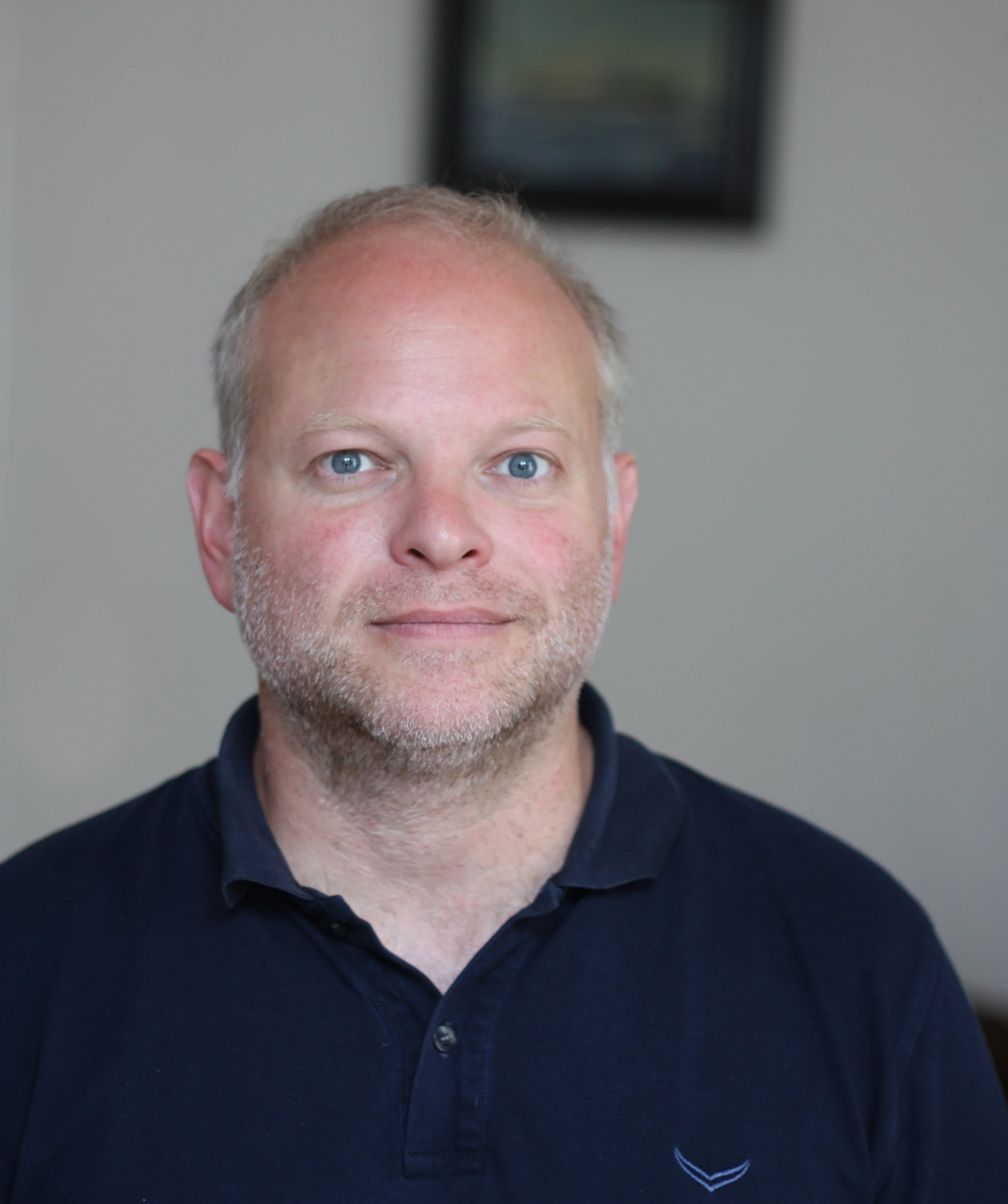
Image from Wikipedia
Image from Wikipedia
Kristof Magnusson – Author, Translator, Theater Maker: The Sharp-Witted Chronicler Between Stage, Book, and Pop Culture
A German-Icelandic Storyteller with Stage Presence on Paper
Kristof Magnusson, born in Hamburg in 1976, has made a name for himself with pointed comedies, precisely researched novels, and elegant translations from Icelandic. He does not have a music career in the traditional sense – however, an early study of church music, radio features on music, and a passionate engagement with pop aesthetics lend his writing rhythm, timing, and a distinctive stage presence on paper. His breakthrough came on stage: Männerhort became one of the most successful German-language comedies of his generation and was later adapted for film. Simultaneously, Magnusson developed his artistic path as a novelist, essayist, and cultural mediator, shaping a literary voice that combines wit, social observation, and precise craftsmanship. (en.wikipedia.org)
Biography: Between Hamburg, Berlin, and Reykjavík
Magnusson comes from a German-Icelandic family and currently lives in Berlin. After training as a church musician, he studied Literary Writing in Leipzig and Dramatic Writing as well as Icelandic Literature in Reykjavík. This dual influence – compositional thinking and dramatic inclination – shapes his composition of texts: pointed dialogues, clear motifs, and carefully set tempos. As a translator, he has rendered key works of contemporary Icelandic literature into German, thereby strengthening cultural exchange between both linguistic regions. Scholarships, poet professorships, and guest professorships – including in Iowa, London, and at MIT – mark stations of an internationally networked music career in a figurative sense: a life on reading stages, in lecture halls, theaters, and studios. (en.wikipedia.org)
Career Path: From Theater Success to Literary Brand Voice
His first major audience success, the comedy Männerhort (premiered in 2003 in Bonn), established a tone that never shies away from slapstick but always dissects societal role clichés. The stage became a launch pad: Männerhort was performed in over a hundred venues before the film adaptation conquered cinemas in 2014, featuring Elyas M’Barek, Christoph Maria Herbst, and Detlev Buck. This transfer from the stage to the cinema revealed how Magnusson's dramaturgical architecture – clear setups, dense conflicts, precise punchlines – also works in film cutting. At the same time, he refined a writing style in his novels that weaves journalistic research with literary arrangement. (de.wikipedia.org)
Novels and Themes: Research, Rhythm, Reality
With Das war ich nicht (2010) and Arztroman (2014), Magnusson established a narrative language that connects themes from economics, the working world, and medicine with empathy, humor, and precise character development. The literary pulse remains high, but never sensationalist: like in a well-arranged score, fast dialogue passages alternate with contemplative interludes. In Ein Mann der Kunst (2020), he observes the cultural industry with satirical sharpness and a fine sense for power, vanity, and authenticity. In 2026, Die Reise ans Ende der Geschichte will be published – a new novel that continues his tradition of transforming research into narrative energy. (kristofmagnusson.de)
Translations and Linguistic Curatorship
As a translator, Magnusson is a knowledgeable curator of Nordic voices. He translates novels, poetry, and sagas from Icelandic, conveying tonal colors and cultural contexts without a folklore filter, while maintaining the rhythm of the originals. This work sharpens his expertise in tonality, register changes, and semantic nuances – qualities that also shape his own prose sentences. This creates a rare double competency: literary production and international mediation, stylistic analysis and practical text work. (kristofmagnusson.de)
Pet Shop Boys: Pop as Poetic Logic
In his book about the Pet Shop Boys, Magnusson shows how pop music can function as collective memory, queer aesthetic, and conceptual art all at once. He describes the band as the soundtrack of his own artistic development and examines why catchy chart hits can be subversive. The resonance from the music press underscores the analytical strength of the text and his balancing act between fandom and critique. The fact that Magnusson himself narrates the audiobook intensifies the connection between voice, text, and theme – a form of performative literature where reading becomes a live experience in the ear. (kristofmagnusson.de)
Adaptation and Impact: Männerhort from the Basement to the Big Screen
The film adaptation of Männerhort in 2014 illustrates Magnusson's stage dramaturgy in a mainstream format. With a cast that appeals to both television and cinema audiences, and direction that translates the screwball impulse into film, the adaptation became a box office success. For Magnusson's author profile, this meant visibility beyond the theater scene and confirmed the adaptability of his themes to popular narrative forms – without flattening the subtexts (role models, consumption rituals, masculinity performances). (dw.com)
Works List (Discography in a Figurative Sense): Books, Plays, Adaptations
Magnusson's 'discography' is bibliographic: Zu Hause (2005) opened his career as a novelist. Das war ich nicht (2010) combined realities of the financial market with narrative ease. Arztroman (2014) dissects the everyday life of clinics balancing professional ethics and overload. Ein Mann der Kunst (2020) looks into the heart of a cultural business that stages authenticity. Die Reise ans Ende der Geschichte (2026) continues his method. In addition, there are theater texts such as Männerhort (premiered in 2003) and Sushi für alle (premiered in 2011), translations of significant Icelandic authors, as well as audio works, for example, the saga recordings – a catalog that understands diversity as a program. (kristofmagnusson.de)
Style and Composition: Timing, Dialogue, Dramaturgical Architecture
Magnusson's prose breathes stage air. Scenes often begin on the beat: a clear initiation, a conflict, then modulated dynamics. His dialogues are musical – precise accents, surprising syncopations, pauses with meaning. In composition, he relies on shifts between “Allegro” (rapid plot movement) and “Adagio” (inner monologues, reflection). As a director of his own works, he arranges characters like voices in an ensemble, creating resonance spaces where societal themes become sensually tangible. (kristofmagnusson.de)
Critical Reception: Press, Awards, Audience
The reception of his novels and plays has been accompanied by significant attention from the beginning: Awards such as the Rauriser Literature Prize (2006) and a longlist nomination for the German Book Prize (2010) mark professional recognition. Critics and specialized press repeatedly highlight his sensitivity to social contexts, his dialogical precision, and his sovereign humor – qualities that are particularly evident in Ein Mann der Kunst. The film version of Männerhort promptly placed prominently in the box office charts after its release in 2014, broadening the audience for his authorship. (kristofmagnusson.de)
Cultural Influence: The School of Reality Writing
Magnusson's artistic development follows a clear idea of literature as an experiential science. He observes institutions – theater, clinics, the art scene, the financial world – and translates their jargons into vibrant narratives. This “School of Reality” extends beyond his own work: as a lecturer, guest professor, and mentor, he imparts techniques of research, composition, and revision. At the same time, he is committed to literature in plain language – a project that breaks down barriers and profiles aesthetic reduction as an artistic virtue. Thus, he connects expertise, authority, and trust in the societal function of language. (en.wikipedia.org)
Current Projects (2024–2026): Publications, Readings, Mediation
With Die Reise ans Ende der Geschichte (Klett-Cotta, 2026), Magnusson continues his novel work. Readings and theater dates will accompany the publication, while his book on the Pet Shop Boys continues to serve as an example of how pop history, identity, and conceptual art can be critically narrated. In his mediation work – workshops, guest lectures, translator workshops – he reinforces his role as a culturally journalistic author who links the practice and theory of writing. Audio productions and audiobook works complete the range of his activities. (books.google.com)
Conclusion: Why Read Kristof Magnusson Now – and Experience Him on Stage?
Those who want to understand how contemporary literature connects dialogical fire with societal depth will find a clear, resonant answer in Magnusson. His texts possess stage presence, his arrangement of voices and perspectives is precise, and his humor is disarming. Whether in theater, in novels, or in essays – Magnusson intertwines expertise in dramaturgy, translation, and production into a body of work that reaches readers, audiences, and listeners directly. Stay tuned: Readings, premieres, and new projects make it clear that his artistic development will strike a fresh note in 2026. (kristofmagnusson.de)
Official Channels of Kristof Magnusson:
- Instagram: No official profile found
- Facebook: No official profile found
- YouTube: No official profile found
- Spotify: No official profile found
- TikTok: No official profile found
Sources:
- Kristof Magnusson – Official Website, Author Page
- Kristof Magnusson – Project Page "Pet Shop Boys"
- Wikipedia (DE) – Kristof Magnusson
- Wikipedia (EN) – Kristof Magnusson
- Antje Kunstmann Publishing House – Ein Mann der Kunst
- Deutsche Welle – "Männerhort" Storms the Box Office, 2014
- Moviepilot – Männerhort (Cast)
- Wikipedia: Image and text source
Upcoming Events
Reading and Discussion with Kristof Magnusson
On May 8, Kristof Magnusson presents his new novel in Potsdam. An evening full of literature and discussion.
Reading and Conversation with Kristof Magnusson: The Journey to the End of History
Up close with the author at the City and State Library Potsdam: Reading and conversation about The Journey to the End of History. Friday, May 8, 2026, 19:00. Tickets 10/8 €. Experience literature live – secure your seats now! #PotsdamReads
Exhibition: Nuss Showcase
Sculpture, space, and regional art history meet in Wasseralfingen. The Nuss showcase invites free exhibition visits. #Art
Exhibition: Nuss Showcase
A special showcase in Wasseralfingen: Discover sculpture, form, and regional art history in the community center. Experience live on 13.07.2026. #Art
Exhibition: Showcase Nuss
Discover art, space, and regional memory in Wasseralfingen: The Showcase Nuss invites quiet work observation. 18.07.2026 to 20.09.2026, free. #Exhibition