
Maharaj Trio
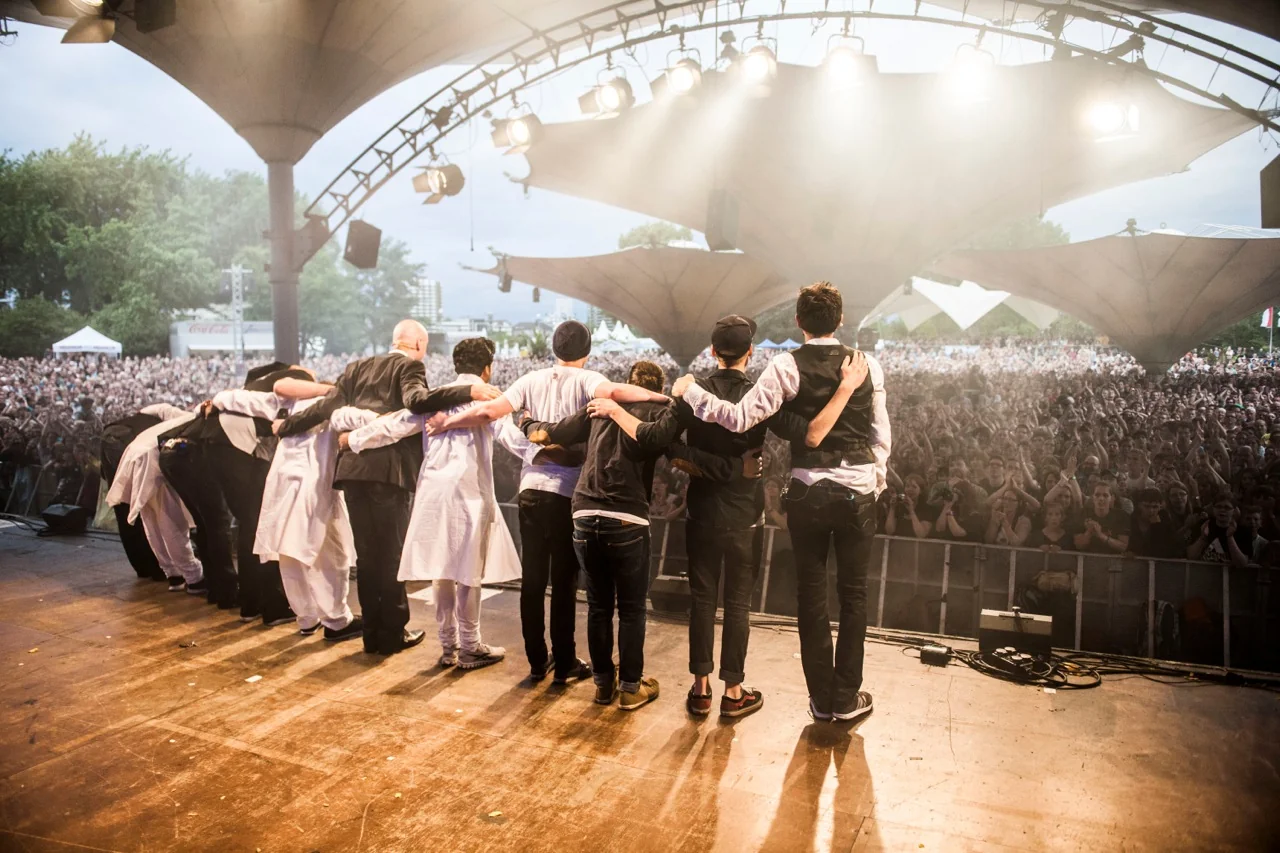
Image from Wikipedia
Image from Wikipedia
Maharaj Trio – The Great Art of Indian Jugalbandi between Tradition, Virtuosity, and World Music
An instrumental trio from Varanasi with 500 years of musical heritage
The Maharaj Trio represents a rare form of musical continuity: an instrumental trio of classical Indian music that performs in the lineup of Sarod, Sitar, and Tabla and has its roots in a North Indian musician family from Varanasi. The inherited tradition of this family dates back around 500 years and continues to shape the sound of the ensemble today with extraordinary depth. The father and his two sons form not just an ordinary family project but a sounding archive of Indian art music that is passed down through generations. ([de.wikipedia.org](https://de.wikipedia.org/wiki/Maharaj_Trio))
Biography and Musical Origins
At the center of the Maharaj Trio is Pandit Vikash Maharaj, the Sarod player of the family and representative of the fourteenth generation of players. He was born in 1957, trained in the Maihar-Gharana, and has expanded his concert activities increasingly beyond India since the 1990s. International encounters with musician personalities such as Herbie Hancock, John Handy, David Friesen, Paul Horn, Patrick Bebelaar, and the Wise Guys showcase how open this classical tradition has engaged in a global dialogue. ([de.wikipedia.org](https://de.wikipedia.org/wiki/Maharaj_Trio))
Abhishek Maharaj, the Sitar player and vocalist, is part of the fifteenth generation and combines familial tradition with academic education. He completed a Master's in Music at Banaras Hindu University in Varanasi and received the award Sangeet Praveen, among others. Prabhash Maharaj, the elder son and Tabla player, began playing at the age of two, learned in the tradition of his grandfather Nanhku Maharaj, and gained international stage experience even as a teenager, including in crossover with jazz. ([de.wikipedia.org](https://de.wikipedia.org/wiki/Maharaj_Trio))
Jugalbandi as an Artistic Principle
The musical form of the Maharaj Trio is Jugalbandi, literally a woven dual relationship, which here is expanded to a highly sensitive interaction in the trio. This trio form developed since the mid-20th century and thrives on the interplay of two equal soloists who respond to one another, inspire each other, and redefine themselves in the moment. In this constellation, improvisation is not understood as a mere showcase, but as a communicative art form characterized by mental discipline and rhythmic finesse. ([de.wikipedia.org](https://de.wikipedia.org/wiki/Maharaj_Trio))
Herein lies the unique tension of the ensemble: The Maharaj Trio maintains the formal rigor of classical North Indian music while simultaneously opening it up for an international audience. According to an event description, each performance features a very high proportion of improvisation; at the same time, the musicians seek to establish direct access to their listeners through explanations and dynamic audience engagement. The result is not a museum-like reconstruction but a vibrant contemporary art with spiritual and rhythmic energy. ([igkultur.de](https://www.igkultur.de/veranstaltungen/2026-06/maharaj-trio-und-benjamin-puetter))
Stage Presence, International Concerts, and Cultural Dialogue
The Maharaj Trio has been present at international festivals and concert stages for decades and regularly performs outside India in Europe, New Zealand, North America, and other regions. According to the official event overview, their concert history dates back to the early 1980s and documents an impressive geographical span from Frankfurt, Heidelberg, and Berlin to Auckland, Wellington, and San Francisco, all the way to Bulgaria and Moscow. In 2026, several performances in Germany and Sofia are again on the agenda, highlighting the ongoing relevance of the ensemble. ([maharajtrio.wixsite.com](https://maharajtrio.wixsite.com/maharaj/concerts))
Notably impactful are the performances where the trio conveys classical ragas to Western listening habits without losing its musical dignity. The ensemble collaborated with the Wise Guys, performed at festivals and benefit events, and has repeatedly been heard in Germany, including for humanitarian purposes. The combination of concert culture, educational outreach, and social engagement makes the Maharaj Trio more than just a performance act: it serves as a cultural ambassador for its tradition. ([de.wikipedia.org](https://de.wikipedia.org/wiki/Maharaj_Trio))
Discography: Ragas, Folk Tradition, and Modern Productions
The discography of the Maharaj Trio demonstrates a consistent connection between classical form and accessible production. The official recordings page features releases from the years 2008, 2010, 2016, 2018, and 2022. These include works with ragas such as Puriyadhanashree, Bageshree, Bairagi, Bhairav, Chandrakauns, Yaman, Rageshree, Jog, and Ahir Bhairav, as well as folk-influenced pieces like Holi Banarasi and Banarasi Thumri. This selection showcases an ensemble that remains deeply rooted in the raga tradition while succinctly bringing regional forms from Varanasi into the studio. ([maharajtrio.wixsite.com](https://maharajtrio.wixsite.com/maharaj/store))
Among recent releases is the single "Indian DJ" from 2022, arranged and mastered by Prabhash Maharaj. An album featuring pieces like “Come with Me,” “Freedom of Soul,” “Fly Away,” “Flavour of India,” “Celebration,” “Beat of Hearts,” “River of Love,” and “Monsoon Dance” was released in 2016, recorded with additional Western instruments such as piano and violin. These productions demonstrate how the trio utilizes new arrangements without diluting the melodic authority of the Sarod or the conceptual depth of the Sitar. ([maharajtrio.wixsite.com](https://maharajtrio.wixsite.com/maharaj/store))
Style, Sound Language, and Critical Perception
Stylistically, the Maharaj Trio navigates between classical North Indian art music, world music, jazz dialogues, and consciously opened crossover spaces. The concert description emphasizes the connection of raga aesthetics with Western influences such as blues and jazz; at the same time, improvisation, rhythmic precision, and spiritual depth remain the defining parameters. For listeners, this creates a soundscape that is simultaneously meditative, virtuosic, and physically present. ([de.wikipedia.org](https://de.wikipedia.org/wiki/Maharaj_Trio))
The critical reception paints a picture of great discipline and high artistic integrity. A cited passage from FAZ highlights that the trio follows the "pure teaching" of Indian classical music, prioritizing logical development and spiritual depth over quick effects while maintaining aesthetic dignity even in high-speed phases. This observation hits the core of the ensemble: The Maharaj Trio does not operate with surface stimuli but with structure, timing, resonance, and a strictly shaped musical arc. ([igkultur.de](https://www.igkultur.de/veranstaltungen/2026-06/maharaj-trio-und-benjamin-puetter))
Cultural Influence and Social Engagement
Beyond their music career, the Maharaj Trio is involved in humanitarian and social projects. The ensemble advocates for human rights, fights against child labor, and supports XertifiX; furthermore, they performed for earthquake victims in Nepal and participated in benefit concerts in Germany and India. This connection between music and responsibility adds additional credibility to the artist's identity and explains why the trio remains present not only on festival stages but also in cultural and social contexts. ([de.wikipedia.org](https://de.wikipedia.org/wiki/Maharaj_Trio))
The cultural influence is also reflected in their educational work: The trio brings Indian art music into dialogue with Western listeners, festival audiences, and educational institutions. The official website documents performances in places where classical Indian music meets new audiences, including universities, cultural houses, festivals, and international ceremonies. Thus, the Maharaj Trio exemplifies a tradition-conscious yet globally open form of musical representation from India. ([maharajtrio.wixsite.com](https://maharajtrio.wixsite.com/maharaj/concerts))
Current Projects and Presence 2024 to 2026
In recent years, the ensemble remains active and visible. The concert overview lists the opening concerts in 2024 at the Shri Ram Temple in Ayodhya, with performances planned in Moscow and Sofia for 2025, and a series of European stops in Germany and Bulgaria for 2026. This continuity shows that the Maharaj Trio is not limited to preserving repertoire but continuously transfers its classical form into current concert contexts. ([maharajtrio.wixsite.com](https://maharajtrio.wixsite.com/maharaj/concerts))
The discography and concert activities interlink: studio recordings document the compositional side, while live performances showcase the freedom of improvisation. It is precisely this dual movement that provides the strength of the group. Those who wish to experience Indian music not just as an exotic soundscape but as a living, highly developed art form will find an extraordinarily authentic entry point in the Maharaj Trio. ([maharajtrio.wixsite.com](https://maharajtrio.wixsite.com/maharaj/store))
Conclusion: Why the Maharaj Trio Remains So Fascinating
The Maharaj Trio combines genealogical depth, technical mastery, and a keen sense of musical communication. The family from Varanasi preserves a centuries-old tradition without falling into stagnation and transforms the Jugalbandi into a timeless form of dialogue. Anyone wishing to experience the interplay of Sarod, Sitar, and Tabla in its full intensity should hear this trio live: Here, Indian classical music is not only played but experienced as an immediate presence. ([de.wikipedia.org](https://de.wikipedia.org/wiki/Maharaj_Trio))
Official Channels of Maharaj Trio:
- Instagram: No official profile found
- Facebook: No official profile found
- YouTube: No official profile found
- Spotify: No official profile found
- TikTok: No official profile found
- SoundCloud: https://soundcloud.com/maharajtrio