
Marc Shaiman
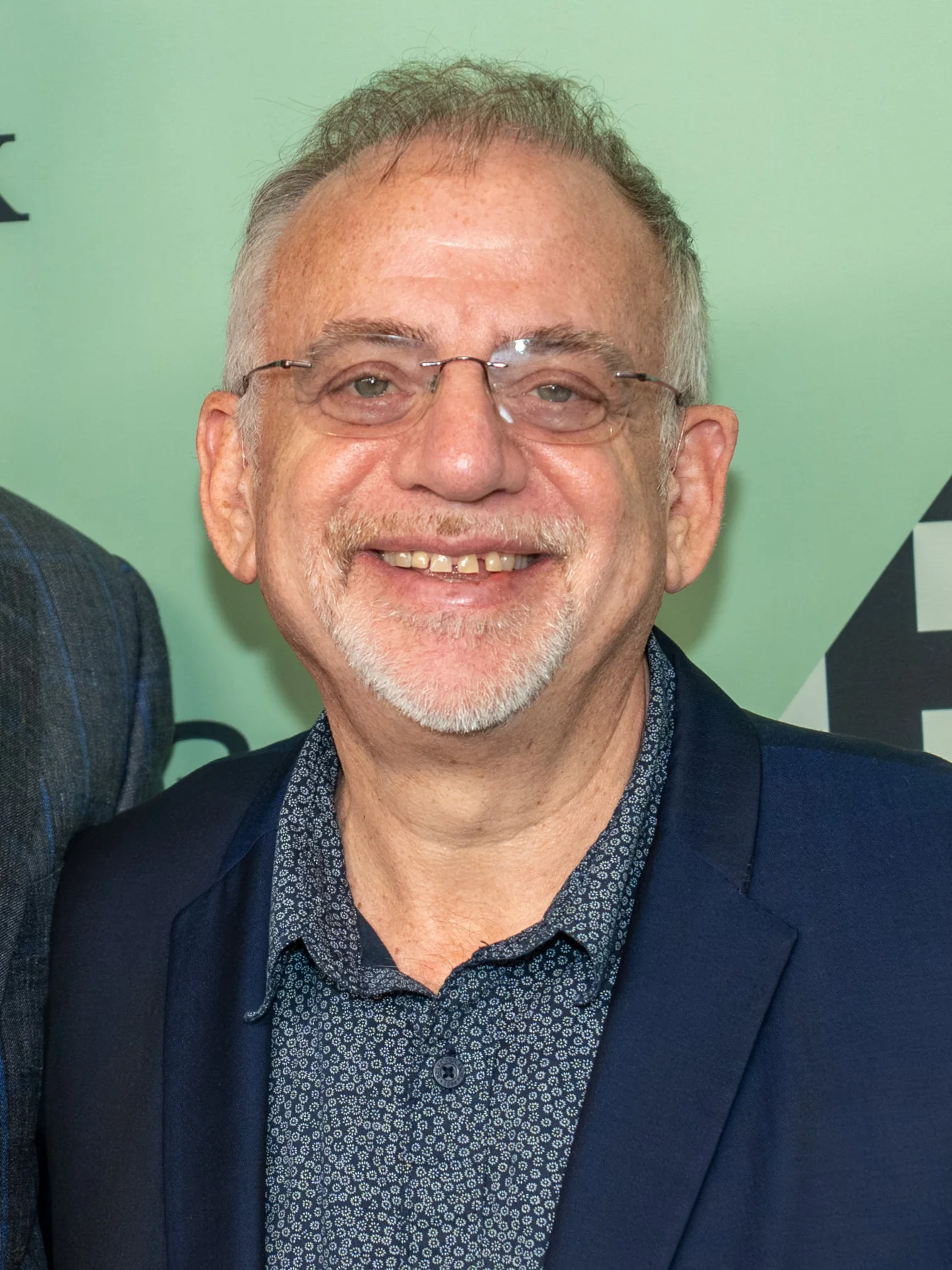
Image from Wikipedia
Image from Wikipedia
Marc Shaiman – Composer Between Broadway Glamour and Hollywood Magic
The Melody Maker Icon: How Marc Shaiman Made Musical History and Shaped Film Scores
Marc Shaiman, born on October 22, 1959, in Newark, New Jersey, is one of the most influential voices in contemporary American music for stage and screen. His musical career began in New York, where he gained stage experience as a young arranger and music director before achieving international success as a composer, songwriter, orchestrator, and producer. Together with his long-time creative partner Scott Wittman, he created songs and scores that define modern musical theater – from Hairspray to Some Like It Hot. Shaiman combines the craftsmanship of classic show tunes with cinematic narrative economy and a distinctive stage presence at the piano.
As a multiple Oscar-nominated composer and an artist awarded with Tony, Grammys, and Emmys, Shaiman has a discography that spans from Broadway to Hollywood. From When Harry Met Sally, The Addams Family, and Sister Act to The American President, South Park: Bigger, Longer & Uncut, and Mary Poppins Returns, as well as tour and revival productions of his musicals – his work exhibits an artistic evolution that exemplifies the union of style culture, compositional technique, and song dramaturgy.
Early Years and Artistic Development: From New Jersey to Manhattan
Growing up in Newark and Scotch Plains, Shaiman was drawn early on to the world of live entertainment. Even as a teenager, he worked in New York theaters, where he gained valuable experience as an arranger and music director. The pivotal career breakthrough came through his collaboration with Bette Midler: As her musical director and arranger, Shaiman perfected sound colors, vocal arrangements, and the art of crafting pointed show song structures. This experience shaped his understanding of timing, melodic leadership, and audience communication – core elements of his later success in musical theater and film.
Simultaneously, he established himself in television, notably at Saturday Night Live, where he contributed as a pianist, arranger, and writer to musical sketches. Working in live formats sharpened his instincts for dramatic arcs, comedic timing, and employing music as a narrative action – skills that characterize his later compositions for stage and screen.
Breakthrough on Broadway: Hairspray as a Pop Culture Event
In 2002, Shaiman achieved a coup with Hairspray (lyrics co-written with Scott Wittman) that redefined Broadway dynamics in the early 2000s. The score perfectly echoes 60s pop, rhythm & blues, and girl group aesthetics, yet remains contemporary through modern arrangements, catchy hook lines, and dramaturgically precise refrain placements. Hairspray won, among other accolades, the Tony Award for Best Musical and Best Score and received the Olivier Award in London – awards that solidified the authority of Shaiman/Wittman as a top team in the genre.
The film adaptation and subsequent live TV version showcased the flexibility of the compositions across media boundaries. The song architecture – like Good Morning Baltimore, You Can’t Stop the Beat, and I Know Where I’ve Been – intertwines character definition, ensemble leadership, and choreographic momentum, exemplifying a composition that organically merges storytelling, groove, and melody.
Hollywood Signature: From Romantic Comedy to Satirical Soundtrack
Shaiman's filmography demonstrates a wide stylistic palette. In romantic comedies such as When Harry Met Sally, Sleepless in Seattle, and The American President, his melodic instincts shine: He builds themes that carry character psychology, modulates harmonically elegantly between intimacy and orchestral expansiveness, and creates motifs that resonate emotionally. In Addams Family and Sister Act, he showcases comedic bite, rhythmic agility, and a production signature that transparently balances vocals, band, and orchestra.
With South Park: Bigger, Longer & Uncut, Shaiman ventured into satirical territory. The Oscar-nominated song Blame Canada illustrates how he updates musical theater DNA – revue form, counterpoint, choral satire – for an animated film. Later, Mary Poppins Returns continued his inclination toward classic musical craftsmanship: orchestral lightness, thematic intertwining, and a sense of resonant nostalgia without stylistic stagnation.
The Creative Duo: Scott Wittman & Marc Shaiman
Shaiman and Wittman have formed a congenial partnership for decades. Together, they created not only Hairspray but also the Broadway musicals Catch Me If You Can, Charlie and the Chocolate Factory, and Some Like It Hot. The latter transfers golden-age flair into a modern arrangement: big band swing, singer-friendly voice leading, fine reharmonizations, and dramaturgically placed reprises. In interviews, the duo reflects on writing processes, song dramaturgy, and the balance between entertainment, character work, and subtext – offering a glimpse into the workshop of two authorities in musical theater.
Beyond Broadway, they also shape pop culture: from TV series like Smash (including a self-contained song world that musically mirrors the “show-in-show” principle) to stage events, galas, and award ceremonies (Emmy-winning Oscar medleys), their spectrum is broad. The result is a distinctive signature that combines compositional precision with a humorous bite.
Current Projects 2024–2026: New Books, New Stages, New Sound Spaces
The coming years mark a productive phase for Shaiman. The long-awaited stage adaptation of Smash will premiere on Broadway in 2025, while Some Like It Hot will tour North America. The community and charity context remains present: In 2025, Shaiman and Wittman will be honored with the Howard Ashman Award from GMHC. Additionally, Shaiman has released the documentary film music for Albert Brooks: Defending My Life in 2024, further expanding his filmography with an introspective, documentary sound profile.
In 2026, his memoir Never Mind the Happy: Show Biz Stories From a Sore Winner will be published, promising insights into artistic development, collaborations, and creative processes. This combination of live projects, recordings, and authorship underscores Shaiman's ongoing relevance as a composer, arranger, and storyteller – on stage, in cinema, and on bookstore shelves.
Discography and Stage Works: Highlights and Stylistic Signatures
Broadway references: Hairspray (Tony/Grammy), Catch Me If You Can, Charlie and the Chocolate Factory, Some Like It Hot, Smash. In these scores, the skillful combination of period aesthetics (60s grooves, big band swing, music hall) with contemporary production stands out: rhythmic precision in the drums, pointed brass sections, carefully crafted middle voices for saxophones and trombones, velvety string pads, and vocal arrangements that make ensemble architecture palpable.
Film music highlights: When Harry Met Sally, The Addams Family, Sister Act, City Slickers, A Few Good Men, Sleepless in Seattle, The American President, The First Wives Club, Patch Adams, South Park: Bigger, Longer & Uncut, Mary Poppins Returns, most recently Albert Brooks: Defending My Life. Characteristic are melodic signatures that remain recognizable, modular themes (easily transposable and variably adaptable for scene changes), and an pronounced sense of sound balance between solo instruments, rhythm section, and orchestra.
Awards, Critiques, and Cultural Influence
Shaiman has been nominated for the Academy Award seven times and has won, among other accolades, the Tony Award as well as two Grammys and two Emmys. Critical reception and industry awards recognize his dual role as a composer and songwriter who combines compositional architecture with audience appeal. The Hairspray score is considered an exemplary case of how inclusive storytelling, dance drive, and catchy tunes create a musical economy that also holds up in film adaptations and TV events.
In the cultural history of musical theater, Shaiman represents the renaissance of large, song-driven Broadway comedy at the beginning of the 2000s: He updated the golden-age legacy with modern production techniques and integrated pop-R&B vocabulary into a dramaturgically sharp show form. His influence is evident in tour productions, school, and community theater performances that keep his scores alive worldwide.
Craft and Sound: Composition, Arrangement, Production
Composer Shaiman often works “song-first”: a catchy hook paired with a bass line that sets harmonic anchors, above which voicings carry the vocal registers. In arrangements, he prefers clear voice leading: trumpets lead the peaks, saxophones support middle voices, and trombones provide the foundation. Strings offer not only warmth but often take on motivic counterpoints. In up-tempo numbers, percussive piano riffs connect rhythm and harmony, while the rhythm section stabilizes groove and drive.
In production, Shaiman maintains transparency: vocals are in focus, and orchestration creates depth without layering. This approach explains why his songs work so effectively live: they are performatively embedded, “sing” organically for ensembles, and retain their impact even in smaller arrangements – a hallmark of enduring musical literature.
Legacy and Future
Whether as a musical architect, film score storyteller, or live performer at the piano: Shaiman's work bridges Broadway tradition and the present. His musical career demonstrates how cultural themes – inclusion, humor, heartbeat of the city – become audible in compositions. With the forthcoming Broadway premiere of Smash, the tour of Some Like It Hot, and the publication of his memoir, Shaiman is setting new chapters in a career that already counts among the canon.
Conclusion
Marc Shaiman represents musical intelligence with an entertainment heart. His scores resonate immediately, carry characters, and tell stories that captivate audiences and industry professionals alike. Those who want to understand how modern musicals work – melodically, dramaturgically, sonically – will find a textbook in Shaiman's discography. And for those who love live music, experiencing these songs on stage is a must: exhilarating, elegant, and full of soul.
Official Channels of Marc Shaiman:
- Instagram: No official profile found
- Facebook: No official profile found
- YouTube: No official profile found
- Spotify: No official profile found
- TikTok: No official profile found
Sources:
- Marc Shaiman – Official Website
- Marc Shaiman – Official Bio
- Wikipedia – Marc Shaiman
- Hairspray UK Tour – Creative: Scott Wittman & Marc Shaiman
- Wikipedia – Hairspray (Musical)
- TheaterMania – An Evening With Marc Shaiman and His Music (05/06/2024)
- GMHC – Howard Ashman Award 2025
- Apple Music Classical – Marc Shaiman
- Simon & Schuster – Marc Shaiman (Memoir, Release 2026)
- Wikipedia: Image and text source
Upcoming Events
Charlie and the Chocolate Factory (DSE)
Festive musical evening at the theater on Bismarckplatz: Charlie and the Chocolate Factory with orchestra, strong direction, and fantastic stage design. 23.12., 19:30, from 8–41 €. Secure the family experience – book now! #TheaterRegensburg
Charlie and the Chocolate Factory (DSE) at the Regensburg Theatre
An imaginative musical with shine and shadows in Regensburg: Charlie and the Chocolate Factory (DSE) on 21.07.2026, 19:30. #Theater
Catch Me If You Can
A musical full of speed, swing, and deception at Theater Am Hagen Straubing: Catch Me If You Can promises a grand stage, strong imagery, and thrills. 20.04.2027. #Theater