
Mia (Musikgruppe)
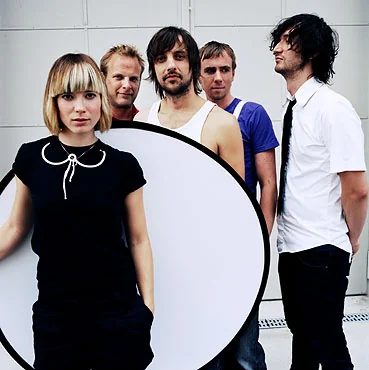
Image from Wikipedia
Image from Wikipedia
MiA. – Berlin Electropop with Attitude, Heart, and Anthems
Between Club Culture and Pop Sensitivity: Why MiA. has Shaped German-speaking Music since the 2000s
MiA. is a Berlin-based electropop band that has been influencing German pop music with an independent sound and clear artistic development since 1997. Frontwoman Mieze Katz, guitarist Andy Penn, bassist Robert “Bob” Schütze, and drummer Gunnar Spies create a signature style that blends club beats, New Wave influences, and pop melodies. With songs like “Hungriges Herz,” “Tanz der Moleküle,” and “Mein Freund,” MiA. has repeatedly marked moments where stage presence, arrangement ideas, and attitude come together – danceable, emotional, and discursive.
Biography: From Student Band Impulse to Electropop Institution
The band was formed in 1997 in Berlin as a student project facilitated by Sarah Kuttner. “Me In Affairs” soon became MiA. – a name that the group later interpreted as “Music is Everything.” The capital's environment early on defined their sound: DIY aesthetics, club nights, a scene between art schools, off-spaces, and the MTV era. In 1999, they released their first significant single, “Sugar My Skin”; in 2001, “Factory City” followed, whose electropunk remix circulated in clubs and gained national attention. The move to a major label brought professional production from 2002 onward, without losing the Berlin pulse.
In MiA.'s music career, friction is part of the game: lyrics that sometimes tackle political issues and at other times paint intimate pictures; productions that mix analog guitars with electronic programming. This artistic development has been a search between pop and experiment from the very beginning – with a constant live presence as the center of the band's identity.
Career Highlights: Chart Success, TV Stages, and Pop Discourse
In 2004, MiA. participated in the German ESC preliminary round (“Hungriges Herz”) and received the Golden Stimmgabel (Shooting Star Group Female) that same year. The big breakthrough into the mainstream occurred in 2006: “Tanz der Moleküle” became an anthem for a generation, and the album “Zirkus” reached number 2 on the charts. In 2008, “Mein Freund” entered the single charts at number 15 – the band's highest single ranking to date. At the same time, MiA. has always remained a live band, maintaining high stage presence and interaction while precisely employing their own performative codes – colors, gestures, rhythm changes.
The band polarized early on with “Was es ist” (2003), a song that discusses identity and belonging. That MiA. can endure contradiction is part of their self-understanding: pop as a public space where attitude is negotiated. This strength – combining catchy compositions with societal friction – gives MiA. authority in German pop to this day.
Discography: Seven Studio Albums, Influential Singles, and Over 650,000 Records Sold
The discography includes seven studio albums from “Hieb & Stichfest” (2002) to “Stille Post” (2004, Gold), “Zirkus” (2006, Gold), “Willkommen im Club” (2008), “Tacheles” (2012), “Biste Mode” (2015), and “Limbo” (2020). MiA. has also released numerous singles and music videos, totaling over 20 singles and more than 30 clips. “Tanz der Moleküle” sold over 300,000 copies and remained in the German charts for over 40 weeks. The catalog shows compositional diversity: from pulsating four-on-the-floor grooves and synth basses to anthemic choruses with guitar hooks.
The most recent catalog entry also marks networking within the scene: in 2024, “Wie weit” was released as a collaboration with Die Fantastischen Vier – an indicator of how confidently MiA. mediates between pop generations. Thus, the band remains present and relevant in the streaming age without diluting its own identity.
Sound and Style: Electropop with New Wave DNA and Berlin's Bodily Sensation
At its core, the MiA. sound combines electronic production (sequencers, drum programming, synth layering) with live band drive. Harmonically, the band likes to work with bright major colors, modal turns, and reduced verses that melodically open up in the chorus. Arrangements play with contrasts: dry kicks and bass sidechains alongside wide pads; percussive guitar figures that explode in chorus hooks. This approach merges club energy with pop architecture – immediately catchy and dynamically scalable live.
Mieze Katz's vocals shape the aesthetic: a clear articulation that emphasizes textual proximity and emotion, often with spoken word insertions and melodic lifts. In production, there is space for lyrics to lie like luminous trails in the beat. The result: songs that work on the radio, thrive in clubs, and grow into collective choir moments on festival stages.
Lyrics and Attitude: Between Intimacy and Society
MiA. lyrics address love, friendship, self-assertion – and time and again social issues. “Was es ist” initiated a broad debate in 2003 about origin, belonging, and symbols. “Ökostrom” and “Alles neu” make sharp points without becoming overly slogan-like. The lyrics remain concrete and accessible, often with everyday metaphor and Berlin tone. This creates pop with attitude: connected but not trivial; optimistic but not naive.
This mix contributes to the band’s cultural influence: MiA. struck a chord during a transitional period between NDW references, electroclash, and indie pop – with an aesthetic that conveys Berlin nightlife, pop history, and contemporary culture.
Stage Presence and Live Format: Energy as a Trademark
Live, the band presents itself as a precisely rehearsed unit: drums and bass drive, guitar accents, synths open up spaces. The setlists combine hits with new material; dynamic arcs are dramaturgically arranged. Mieze Katz's body language, gaze direction, and interaction create closeness – the concerts often tip into collective sing-along moments. This performative aspect has always distinguished MiA.: pop not just as a recording, but as a lived event with a sense of community.
The production aesthetic on tour remains modern: clear lighting dramaturgy, colorful accents, visuals that support the arrangement. Thus, MiA. translates studio sensitivity into live energy – a reason the band has reliably filled festivals and clubs for decades.
Current Phase: New Music, Features, and the Live Season 2026
Recent activities include collaborations (“Wie weit” with Die Fantastischen Vier, 2024) and an extensive live season in 2026 with sold-out club and hall concerts in several cities. At the same time, 2025 saw Mieze Katz highlighting artistic facets with a solo album, which have since been reflected in special moments during MiA. concerts. This dialogue between band identity and individual projects keeps the creative core alive – ensuring that setlists stay current without neglecting the classics.
The result: MiA. will operate in 2026 as an experienced yet still curious pop act – with a keen sense for hooks, groove, and an audience seeking shared experience.
Fans' Opinions
Fans' reactions clearly show: MiA. enchants people worldwide. On Instagram, one fan raves: “Your music has been making me dance for years – Berlin in the heart, at home everywhere.” On Facebook, a listener writes: “Live, simply magical – goosebumps during Tanz der Moleküle, tears during Hungriges Herz.” On Instagram, it states: “Thank you for the energy you bring to the stage – this band is pure joy of life.”
Conclusion: Why MiA. is More Important Today than Ever
MiA. combines pop intuition with artistic consistency. The discography provides milestones, the stage presence remains electrifying, and the lyrics open up spaces for discussion – about proximity, community, and origin. In times when pop often becomes a data point, MiA. reminds us of what makes the form great: melodies that linger; grooves that carry; an attitude that brings people together. Recommendation: experience this band live – for the energy, for the songs, for the moment when pop becomes presence again.
Official Channels of MiA.:
- Instagram: https://www.instagram.com/mia.official/
- Facebook: https://www.facebook.com/MIA.rockt.Berlin/
- YouTube: No official profile found
- Spotify: No official profile found
- TikTok: No official profile found
Sources:
- MiA. – Official Website
- MiA. – Management/Booking (Impressum/Contact)
- laut.de – Band Portrait/Story about MiA.
- Wikipedia – Mia (Music Group)
- Wikipedia – Discography of MiA.
- RedaktionsNetzwerk Deutschland – Portrait of Mieze Katz
- rbb/ARD Mediathek – Contribution about Mieze Katz
- DIFFUS – Artist Page MiA.
- Wikipedia: Image and text source
Upcoming Events
Clean up – Neighborhood Cleanup – MiA – Girls in Action in Cottbus
Join the cleanup in Cottbus at youngcaritas: April 1, 2026, 3:00–4:00 PM. Collect trash, strengthen the neighborhood, take home good feelings. Join now! #CottbusCleanup
Wellness Afternoon – MiA – Girls in Action in Cottbus
Feel-good break in the Lila Villa Cottbus: gentle exercises, mindfulness, loving care. On April 2, 2026, 15–16 hrs. Price: Info to follow. Come by and recharge your energy! #MiACottbus
Open Sewing – MiA – Girls in Action in Cottbus
Get Creative in the Lila Villa: Open Sewing at MiA in Cottbus. April 7, 2026, 12–1 PM, price information to follow. Relaxed learning, strong community – secure your appointment now! #Cottbus
Open Sewing – MiA – Girls in Action in Cottbus
Want to work on your own sewing project? MiA opens the Purple Villa in Cottbus for open sewing. Wednesday, 08.04.2026, 12:00 PM. Creative atmosphere, instruction, upcycling. Come by and sew your unique piece! #MiACottbus
Academic Paper Assistance – MiA – Girls in Action in Cottbus
Clear Mind, Strong Text: MiA Academic Paper Assistance in the Lila Villa Cottbus. On 15.04.2026, 5–7 PM. Structure, source check, motivation – come by and get started! #Cottbus
MiA gets fit – MiA – Girls in Action in Cottbus
Fancy movement and community in the Lila Villa Cottbus? MiA gets fit combines workout, teamwork, and strong vibes. April 17, 2026, 4:00 PM. Join in now and recharge your self-confidence. #Cottbus #MiA
Games without Electricity – MiA – Girls in Action in Cottbus
Buttermilk pancakes baking – MiA – Girls in Action in Cottbus
A delicious afternoon in Cottbus: MiA bakes buttermilk pancakes with you at the Lila Villa. 06.05.2026, from 15:30. #Cottbus #MiA #Baking
MiA gets fit
Young energy meets strong community: MiA gets fit in the Lila Villa Cottbus. 05.08.2026, 17:30. A lively date for movement and exchange. #Cottbus #MiA #Youth