
Soul
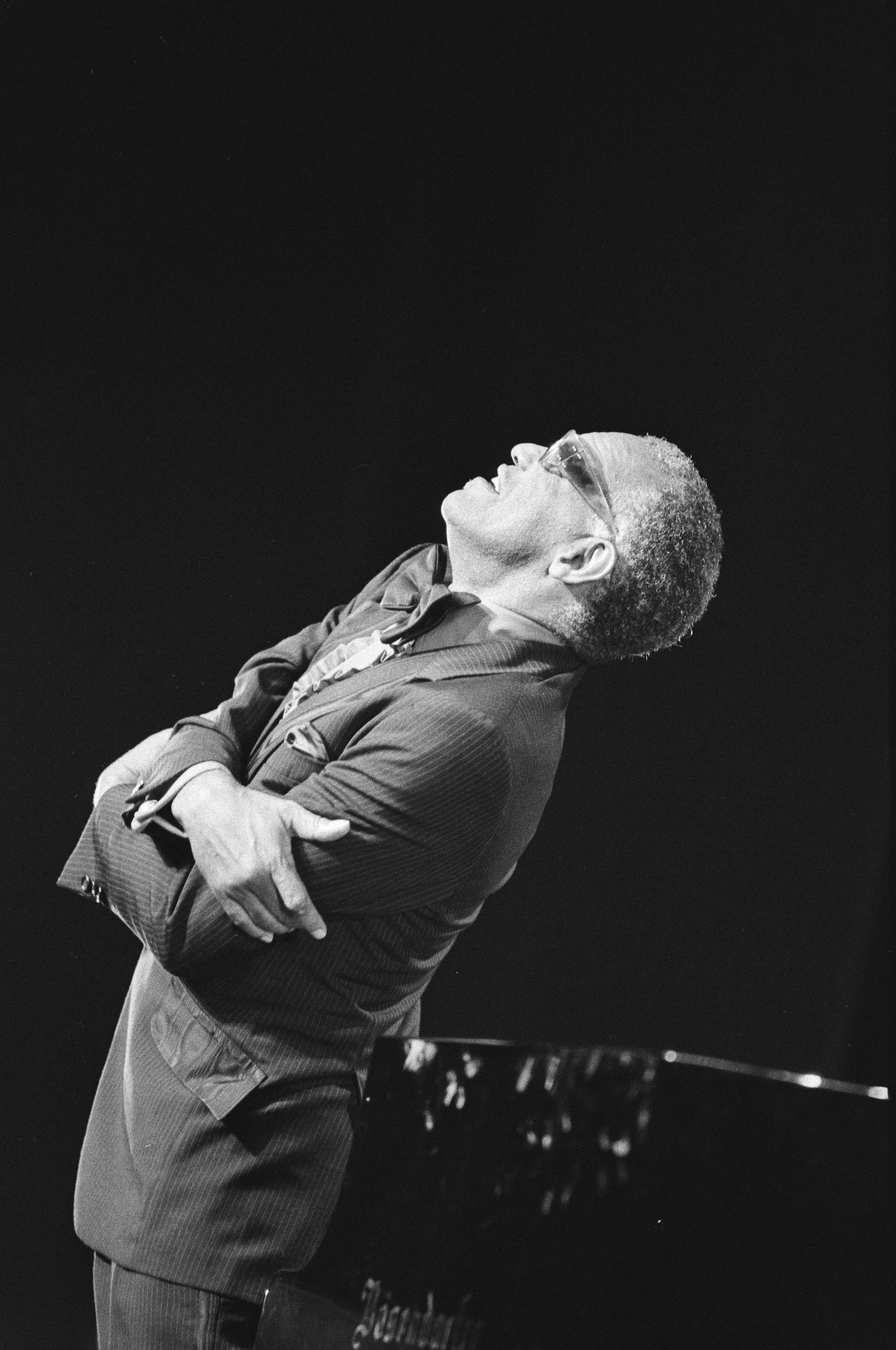
Image from Wikipedia
Image from Wikipedia
Soul
The Soul of Pop Music: How Soul Shaped the Sound of America and Changed the World
The term “Soul” represents more than just a genre: it encapsulates a musical culture that emerged from gospel, rhythm & blues, and blues, becoming the emotional voice of the African American community. In the late 1950s and throughout the 1960s, soul grew to become the leading figure of black pop music, bringing social debates to the charts and influencing pop and rock history for generations. This artist biography of a genre tells its origins, artistic evolution, its stage in the civil rights movement, and the lasting brilliance of its classics and reinterpretations.
Origins: From the Church to the Studio
At the beginning lies the closeness to gospel: call-and-response, melismatic singing, passionate preaching energy—all of this translates soul into secular themes. Early protagonists like Ray Charles, Sam Cooke, and James Brown expanded rhythm & blues with the spiritual intensity of the church choir. This resulted in a vocal style with searing vocal intensity, syncopated rhythms, and a stage presence that physically engages the audience. The musical architecture relies on groove, organ and piano figures, bluesy harmonies, and brass arrangements that create tension and release in short phrases. Soul thus became the emotional grammar of urban U.S. life—from New York to New Orleans—and accompanied both the promises and contradictions of the post-war era.
The Breakthrough of the 1960s: Labels that Made History
The golden era of soul would be unimaginable without the work of three major players: Atlantic Records (New York), Stax/Volt (Memphis), and Motown (Detroit). While Atlantic cultivated the earthy, gospel-infused side with producers like Jerry Wexler, Stax/Volt represented “Southern Soul”—raw, direct, band-oriented. Motown defined the elegant, pop-friendly sound that opened black music to a white mass audience without diluting its expression. These label aesthetics were more than brands: they created production ecosystems of songwriting teams, house bands, and studios that made sound a social identity.
Memphis Sound and Integration Laboratory: Stax/Volt
Stax Records became famous as a symbol of musical and social integration: in the studio on McLemore Avenue, white and black musicians played side by side—the house band Booker T. & the M.G.’s shaped the DNA of Southern Soul with dry grooves, sharp brass, and a return to the live feel. Otis Redding, Sam & Dave, Carla Thomas, or Isaac Hayes made Stax the focal point of earthy-authentic performances. The “Wattstax” festival in 1972 acted like a musical civil rights day—a monument that intertwined art, community, and political consciousness. At the same time, economic setbacks, artist losses, and publishing issues reflected the fragile status of the black creative economy. Nevertheless, the Memphis sound remained a benchmark for band chemistry, arrangement economy, and emotional performance.
Detroit Perfection: Motown and the Art of Pop-Soul
“Hitsville U.S.A.”—the Motown house in Detroit—became the hit factory of soul. Berry Gordy professionalized songwriting, A&R, and artist development. The Funk Brothers laid the rhythmic foundation as studio elite; teams like Holland–Dozier–Holland delivered hook economy and perfectly crafted arrangements. The Motown sound combined strings, tambourine offbeats, and call-and-response into a precise, radio-friendly soul. The Supremes, Marvin Gaye, Stevie Wonder, or The Temptations embodied a repertoire that remained glamorous, socially resonant, and innovative. Motown showed how artistic development and entrepreneurial vision could merge into cultural authority.
Atlantic and the Defining Spark: Aretha Franklin
With Aretha Franklin's move to Atlantic in 1967, the gravitational center of the genre shifted. Her singles “I Never Loved a Man (The Way I Love You)” and “Respect” bundled gospel intensity, piano riffs, brass accents, and self-assured lyrics that made empowerment tangible. “Respect” topped the Billboard Hot 100 and became the soundtrack of female self-assertion—a prime example of how soul merges personal and political dimensions. In production and arrangement, Atlantic demonstrated how to translate studio energy into immediate performance: few takes, clear microphone placement, and a rhythm section that allows room for vocal nuances.
Soul and the Civil Rights Movement: Sound as Assertiveness
Soul was not just entertainment but part of the civil rights movement. James Brown’s “Say It Loud – I’m Black and I’m Proud” or the moral urgency of Marvin Gaye’s “What’s Going On” provided societal experience with a melodic, chart-compatible form. The themes ranged from police violence to war trauma and the search for spirituality in a fractured nation. Particularly in the 1960s and 70s, soul showcased an artistic development that elevated self-awareness, community, and sociohistorical responsibility to an aesthetic principle.
Stylistics and Production: What Makes Soul Acoustically Unique
Musically, soul thrives on a balance of rhythm and voice. The rhythm section emphasizes backbeat and syncopated bass lines; brass delivers riffs and “shouts” as dramatic marks; organ and electric piano fill harmonic gaps. Arrangements work with dynamic crescendos, “breaks,” and repetitions that underscore the expressiveness of the lead voice. From a production standpoint, classic soul recordings are characterized by direct microphone placement, light saturation, and room acoustics—the “band-in-the-room” feel conveys immediacy, while overdubs are sparingly used to avoid smoothing out the performance.
Subgenres, Schools, and Scenes: Southern, Philly, Northern, Blue-Eyed, and Neo
Southern soul from Memphis and Muscle Shoals represents earthy sound and rough timbre, often featuring horn sections and balladic urgency. The “Philly Sound” from Philadelphia International (Gamble & Huff) refined soul in the early 1970s with orchestral elegance, rich strings, and danceable tempos—a bridge to disco aesthetics. The British Northern Soul scene celebrated fast, rare U.S. singles from the 1960s on dance floors in Manchester, Blackpool, and Wigan; the criteria were less about chart fame than floor impact. Simultaneously, Blue-Eyed Soul established itself as a tradition for white artists who credibly adapted soul vocabulary and phrasing. In the 1990s and 2000s, Neo-Soul renewed the language of the genre with hip-hop grooves, jazz harmony, and introspective songwriting—a testament to the elasticity of soul DNA.
Icons and Key Works: Soul as Canon
Iconic albums and singles are the chapters of a grand biography: Aretha Franklin’s “I Never Loved a Man the Way I Love You” and “Respect” define vocal authority and female perspective. Marvin Gaye’s “What’s Going On” elevates the long player to a socio-philosophical suite. At Stax, Otis Redding’s performances and Isaac Hayes’ “Hot Buttered Soul” mark the range from minimalist groove to orchestral long form. The Motown canon—from the Supremes to Stevie Wonder—shows how soul can mediate between chart perfection and artistic radicalism. These fragments of discography are not just music history; they are reference points for producers, arrangers, and songwriters to this day.
Cultural Heritage and Institutions: Museums, Archives, Education
The legacy of soul is kept alive in museums, archives, and academies. The Motown Museum in Detroit preserves Studio A and the history of “Hitsville U.S.A.”; in Memphis, the Stax Museum of American Soul Music—flanked by the Stax Music Academy—reminds us of the creative community that worked there. National institutions root soul in the broader cultural history of African American music. Exhibitions, educational programs, and digital archives make visible the connections between music, politics, economics, and everyday culture, showing how soul as a cultural practice continues to resonate with new generations.
Influence on Pop, Funk, Disco, and Hip-Hop
Without soul, there is no modern pop music: funk extends the groove and the emphasis on the downbeat; disco adopts orchestral textures and the continuous dance arrangement; hip-hop samples soul hooks, drum breaks, and choral motifs as sonic memory. At the same time, soul’s vocal aesthetics influence ballads, contemporary R&B, and singer-songwriter pop. These interconnections illustrate the authority of the genre as a source of melodic, rhythmic, and emotional strategies—an arsenal that producers and artists reinterpret each decade.
The Present and Continuation: Soul as a Living Tradition
Even beyond the retro cult, soul remains a vibrant vocabulary. Reissues, documentaries, and anniversary editions shed new light on historical milestones, while current stages, curations, and education continue to develop the material. Soul acts as an artistic development platform: for voices that touch on intimacy and community; for compositions that connect economy and expression; for productions that balance craftsmanship and feeling. The biography of this genre is open—with every new interpretation, soul continues to write itself.
Conclusion: The Inexhaustible Power of Expression
Soul is the art of transforming experience into sound—immediate, physical, true. Those who listen to this music feel an aesthetic and social energy that transcends eras. Soul captivates because it sings intimate stories and celebrates collective moments. Its full effect unfolds live: voices, brass, groove—a shared vibration between stage and audience. Those who want to experience soul should go exactly there: to the concert halls, clubs, and museums where this music continues to connect people and brings history to life.
Official Channels of Soul:
- Instagram: No official profile found
- Facebook: No official profile found
- YouTube: No official profile found
- Spotify: No official profile found
- TikTok: No official profile found
Sources:
- Wikipedia – Soul (German)
- Encyclopaedia Britannica – Soul music: Definition, Artists, Facts
- The Guardian – Stax Records: History, Context, Impact (May 20, 2024)
- Motown Museum – Hitsville U.S.A., Studio A, History
- Motown Museum – Mission, Expansion, History
- Wikipedia – Aretha Franklin “Respect” (1967): Origin, Charts
- Wikipedia – Aretha Franklin: I Never Loved a Man the Way I Love You
- Wikipedia – Marvin Gaye: What’s Going On (Song, 1971)
- Wikipedia – Stax Records: History, Influence
- wissen.de – Lexicon: Soul Music (Definition, Development)
- Wikipedia: Visual and Text Source
Upcoming Events
36th Fürth Jazz Workshop: New Orleans Soul Brothers
Hot grooves in winter: New Orleans Soul Brothers live at the Musikschule Fürth. Funk, Soul, Blues, January 5, 2026, 7:30 PM, tickets from €20. Feel the closeness, feel the rhythm – secure your tickets now! #NewOrleansFunk
Stina Stenerud & Her Soul Replacement – Schwerin
Soul fireworks at SPEICHER Schwerin: Stina Stenerud & Band with groove, improvisation, and Nordic coolness. Sat., April 11, 2026, 21:00, from €25. Experience, share, #SoulLive.
SOULBOUND live in Munich - Backstage Hall Concert 2026
SOULBOUND brings dark industrial metal to Munich: sYn Tour 2026, Backstage Hall, strong live energy and special guest Pinhead. #Munich #Metal
SOULBOUND
SOULBOUND transforms the Backstage Club in Munich into a dark sound storm full of pressure, melody, and energy. 17.04.2026, starting from 34.75 euros. #Soulbound #Munich #Live
Stina Stenerud & Her Soul Replacement
Scandinavian soul, strong vocals, and intimate club energy: Stina Stenerud & Her Soul Replacement live in Bielefeld. 17.04.2026, pre-sale 25 €. #SoulLive #Bielefeld
The Soul Queens in Munich: Soul Evening at the Theater Drehleier
Soul classics, wit, and powerful voices in Munich: The Soul Queens perform an intense live experience at the Theater Drehleier. 22.04.2026, 33 €. #SoulNight
Concert with Mind to Soul in Oberaudorf
An evening full of groove and feeling in Oberaudorf: Mind to Soul plays at Leichtsinn at the Spa Park. Jazz, Latin, funk, and blues meet intimate live atmosphere. #Oberaudorf #LiveMusic
Pub Rally Bilk - QBAN SOUL
Immerse yourself in the world of music with QBAN SOUL. A mix of Flamenco, Pop, and Jazz in Düsseldorf-Bilk.
Matti Klein Soul Trio
Rubber Soul Connection live in Oberaudorf - Leichtsinn Concert 2026
Rubber Soul Connection live in Oberaudorf: fine songs, strong voices, and an intimate club atmosphere at Leichtsinn. 05/16/2026, price unknown. #LiveMusic