
Würzburg
Altstadt, Würzburg, Deutschland
Old Town Würzburg | Old Town Festival & Program
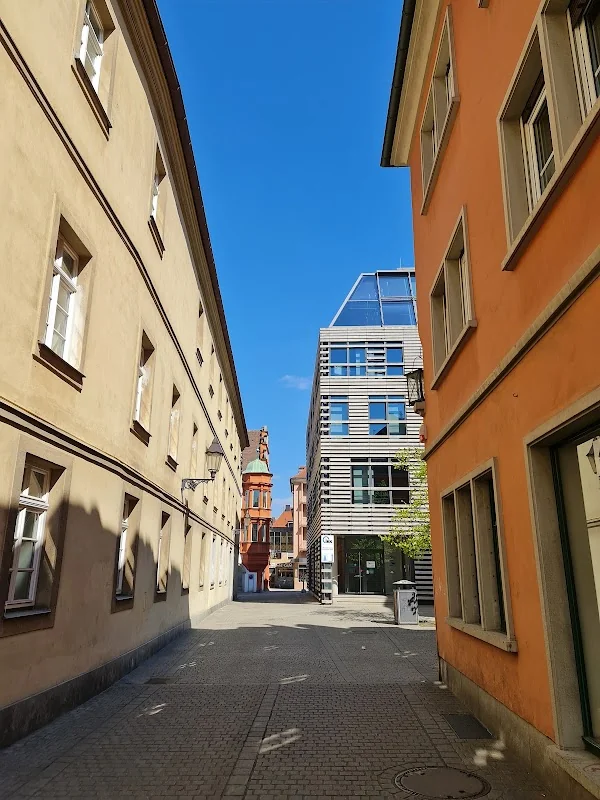
The Old Town of Würzburg is the historical, cultural, and social center of the Franconian residence city. Between the market, the Main River, and the slopes overlooking the Marienberg Fortress, significant buildings, traditional squares, small alleys, museums, restaurants, cafés, shops, and venues are closely situated. Those visiting Würzburg for the first time can experience many of the most important sights within a compact tour. The Falkenhaus with its opulent Rococo façade, the Gothic Marienkapelle, the historic town hall, the Kiliansdom, the Neumünster, and the Old Main Bridge form an impressive sequence of stations.
At the same time, the Old Town is not just an open-air museum. It is a vibrant urban space where weekly markets, guided tours, concerts, street art, festivals, and culinary offerings shape everyday life. Particularly characteristic is the combination of history and joy of life: Locals and guests meet on the Old Main Bridge to enjoy the view of the Main and the fortress, while trade, gastronomy, and culture provide movement in the surrounding streets. For initial orientation, public Old Town tours or a ride on the City Train are suitable. Those with more time can combine the central squares with the residence, the riverbank, and other districts for a varied day in Würzburg.
Old Town Würzburg and its main attractions
The classic tour of the Old Town begins at the Falkenhaus at the market square. The building stands out with its richly decorated Rococo façade and houses the Tourist Information & Ticket Service. From here, the path leads over the market square to the Marienkapelle. The late Gothic hall church is considered the artistic highlight of the city. Inside, there are, among other things, panel paintings from the early 16th century, the Silver Madonna, and numerous tombs. A bronze memorial plaque at the market portal commemorates Balthasar Neumann, the significant Baroque architect closely associated with Würzburg.
From the market square, the historic town hall is quickly accessible. The buildings and rooms of the town hall tell of more than 700 years of city history and show a remarkable stylistic diversity. Nearby are St. Kilian's Cathedral and the Neumünster. The Kiliansdom is one of the defining sacred buildings of the city, while the Neumünster, with the Lusamgärtchen, forms a quieter and particularly atmospheric place. The Lusamgärtchen is associated with the minstrel Walther von der Vogelweide and offers a sheltered spot in the center for reflection.
A highlight of every visit is the Old Main Bridge. The historic bridge connects the Old Town with the Marienberg Fortress and is one of the most famous views of Würzburg. Its bridge figures, the view of the Main, the fortress, the Käppele, and the wine region Würzburger Stein make it a popular photo motif. The bridge is also a sociable meeting point. At the Würzburg Bridge Schoppen, the view of the city combines with a glass of Franconian wine and information about Würzburg. Those interested in architecture beyond the major buildings should also pay attention to the preserved citizens' courtyards and cathedral chapter courtyards. They show how strongly Würzburg's cityscape has been shaped by ecclesiastical and civic history.
The Old Town can generally be explored on foot. Many paths between the Falkenhaus, Marienkapelle, town hall, cathedral, Neumünster, and Old Main Bridge are short. Comfortable shoes are still advisable, as a complete tour with additional detours can quickly take several hours. For guests with little time, the City Train is a good option. The city tour takes you through the Old Town and provides information in several languages via an audio system. This creates a compact overview that can later be deepened through personal walks.
Old Town Tour Würzburg: Program, Dates, and Tickets
An Old Town tour is the easiest way to understand the historical connections between the individual attractions. Public tours start at the Falkenhaus and last about one and a half hours. Along the way, you will see the Falkenhaus, the Marienkapelle, the historic town hall, the Kiliansdom, the Neumünster, the Lusamgärtchen, and the Old Main Bridge. The exact route may vary depending on accessibility and organizational circumstances. The view from the Old Main Bridge of the Marienberg Fortress, the Käppele, and the Würzburger Stein is regularly one of the most impressive moments.
For the year 2026, the regular dates are clearly structured. From April 1 to December 31, the public Old Town tour takes place daily at 10:30 AM. From April 1 to October 31, there are additionally tours on Fridays, Saturdays, and holidays at 2:00 PM. In January, from the first Saturday in January to the last Saturday in March, as well as in November, different dates apply. As availability, special dates, and organizational changes are possible, visitors should check the current calendar of the Würzburg Tourist Information.
Tickets for public Old Town tours can be purchased online or before the tour starts at the Falkenhaus. The regular participation fee is 13.90 euros per person according to the Tourist Information. Students, pupils, and holders of the Würzburg Welcome Card pay 11.90 euros, and children up to and including 14 years pay 1 euro. The number of participants is limited to a maximum of 25 people. Therefore, online booking is particularly recommended on busy days. According to the Tourist Information, tickets for public tours are non-refundable, so the choice of date should be carefully considered before purchase.
Private tours are offered for groups. A German-speaking tour usually lasts two hours and costs a flat rate of 140 euros for a group of up to 25 people. Tours in foreign languages are also available. For people with different needs, inclusive Old Town tours with tandem partners are available. These tours are barrier-free and designed in understandable language. From May to October, they take place on every second Sunday of the month. This expands Würzburg's tour program to include an offering that combines historical information with accessible urban experiences for as many people as possible.
For those who prefer to explore the Old Town independently, the tour can be used for orientation and then visit individual places in more detail. The market square is suitable for a morning start, while the Old Main Bridge is ideal for an afternoon stroll. In warm weather, the tour can be combined with a break at a café or with a glass of Franconian wine. For families, the combination of short distances, City Train, and individual attractions is recommended.
Old Town Festival and Events in Würzburg 2026
The searches related to the Old Town Festival, program, and events show how important the event calendar is for a visit to Würzburg. The center changes its character when stages, sales stands, music, and special actions fill the streets. For 2026, the Würzburg city festival is scheduled for September 18 and 19. Shops will present themselves with music, sports, games, and offers. Regional bands and cover bands will perform on four stages. The program is complemented by information, action, and sales stands, participation activities, a children's flea market, and a wide range of food and drinks.
The city festival is not a single hall event but an urban experience. Visitors move between various stages and squares, can spontaneously stop for music, shop, eat, or participate in activities. This open structure makes the event interesting for different age groups. Families benefit from the children's program and participation offers, while music fans can experience several performances over a weekend. Those who want to see specific bands or program points should check the final schedule shortly before the event, as performance times and locations may change.
Another major event is the STRAMU Würzburg, which takes place from September 11 to 13, 2026. The festival for street art and street music is one of the largest events of its kind in Europe. Hundreds of artists from around the world showcase music, dance, acrobatics, and other forms of street art. The spectrum ranges from classical to rock, jazz, pop, and hip-hop. The Old Town itself becomes a stage. Instead of just visiting a single building, guests experience the city in motion and can discover different performances in many places.
The regular cultural life also includes concerts, theater, art exhibitions, tours, and seasonal offerings. Würzburg is described by the Tourist Information as a year-round cultural destination. Events such as the Mozart Festival, Hafensommer, Africa Festival, or Italian Night expand the offerings beyond the actual Old Town and make a stay varied even for returning guests. In the Old Town itself, these dates are combined with gastronomy, retail, and historical sites.
A particularly local experience is the Würzburg Bridge Schoppen. During the tour on the Old Main Bridge, guests learn interesting facts about the city and enjoy a glass of Franconian wine. In 2026, this offer is planned until November 20; afterwards, there will be a winter edition with mulled wine. Additionally, a Würzburg Christmas walk is planned for the Advent season. Since events can be weather-dependent or change organizationally, the official event calendar should be checked before traveling.
Sights, History, and Atmosphere between Main and Market
The special quality of the Old Town lies not only in individual buildings but in their spatial sequence. The market square opens the view to the Marienkapelle and the Falkenhaus. Just a few steps away are the town hall, cathedral, and Neumünster. After that, the atmosphere changes towards the Main. The Old Main Bridge acts as a transition between the densely built city center and the wide view of the river, vineyards, and fortress. This sequence makes the tour easy to understand and at the same time varied.
Würzburg looks back on a tumultuous history. The cityscape is shaped by ecclesiastical rule, civic culture, Renaissance, Baroque, war, reconstruction, and modern urban development. The citizens' courtyards and cathedral chapter courtyards remind us of the time when Würzburg was a significant ecclesiastical center. The so-called ecclesiastical quarter east of the cathedral was shaped by the curia and residential courtyards of the cathedral canons. Some courtyards are preserved, while others were destroyed in World War II and later reused. As a result, visitors encounter both medieval and early modern traces as well as buildings from the reconstruction in close proximity.
The Old Main Bridge is an example of how history and the present interact. Its figures were already damaged in the early 20th century and used for road construction. On the bombing night of 1945, the bridge was again severely damaged; later, the figures could be restored. Today, the bridge serves as a historical connection, viewpoint, and meeting point. The combination of monument protection, everyday life, and sociable stay makes it one of the most characteristic places in the city.
The Marienkapelle also offers several layers of time. The late Gothic church belongs to the civic city history and preserves artworks, tombs, and memorials. The Neumünster with Lusamgärtchen sets a quieter accent. Those interested in architecture should not only photograph the well-known façades but also pay attention to details: bay windows, portals, courtyards, figures, house signs, and sight axes tell of different epochs.
The atmosphere of the Old Town changes throughout the day. In the morning, the market and shopping streets are often quieter; in the afternoon, tours, shopping, and café visits enliven the city center. In the evening, gastronomy, Bridge Schoppen, concerts, and cultural events come to the forefront. During events, stages and street art are added. Thus, a single place can appear completely different depending on the time and season. This mixture of historical context and current urban life is a central reason why a visit to the Old Town should not be limited to a short photo stop.
Parking in Old Town Würzburg: Access and Public Transport
The Würzburg Old Town is centrally located and accessible from various directions. Those arriving by car should not try to find a parking space directly at every destination. For a relaxed visit, it is advisable to use a parking garage or a designated parking space on the outskirts of the city center and cover the last meters on foot or by public transport. The parking guidance system helps with orientation. As construction sites, major events, and seasonal closures can affect accessibility, current information from the city and the WVV should be checked before the trip.
The city of Würzburg points out that WVV parking garages are integrated into the traffic system. Those who park there can also use the parking ticket within the large area as a ticket for the tram. This offer can be particularly practical if the group does not want to drive directly into the Old Town or if higher traffic volumes are expected during an event. For exact conditions, validity, and current parking options, the WVV is the authoritative information source.
The situation for travel buses needs to be planned separately. A suitable meeting point for groups is, among other places, the area at the Old Main Bridge, where guests can disembark. The bus parking lot Friedensbrücke is about a seven-minute walk from the Old Main Bridge and thus from the city center. Groups should check the information on bus access, disembarkation, parking duration, and possible closures in good time. During larger events, individual parking spaces may be completely closed for a period.
Those arriving by train can generally reach the Old Town from Würzburg Central Station on foot or by tram. Within the center, many attractions are within walking distance. For the visit, it is worthwhile not to schedule the day too tightly. Although the distances between the station, market square, Old Main Bridge, and other destinations are manageable, waiting times, market visits, photo stops, or tours can extend the schedule.
For events such as the city festival or STRAMU, arrival should be planned particularly early. The city center may be fuller, streets may be temporarily closed, and parking spaces fill up quickly. Arriving by public transport or combining park-and-ride, tram, and walking can then be the more convenient solution. For the return journey in the evening, visitors should check the last connections. For groups, it is advisable to agree on a common meeting point outside the busiest event areas.
Accessibility and individual mobility are also part of the travel planning. Not every historical path is even or free of bottlenecks. For specific requirements, guests should contact the Tourist Information before the visit and clarify the accessibility of individual buildings, tours, and paths. The inclusive Old Town tours are barrier-free and designed in understandable language, but they do not replace the individual examination of special needs.
A Day in the Old Town of Würzburg: Tips for Visitors
A sensible day begins at the Falkenhaus. There, visitors can obtain maps, tickets, and current information. The path then leads over the market square to the Marienkapelle. Those wishing to participate in a public tour should consider the start time and arrive a few minutes early at the meeting point. The tour provides a good overview and makes it easier to select further destinations later. After the tour, the cathedral, Neumünster, and Lusamgärtchen are suitable for a deeper round through the historic center.
At lunchtime, the Old Town can be combined with Franconian cuisine, small snacks, cafés, and regional specialties. A fixed recommendation for a specific restaurant cannot be given permanently without checking current offerings, as opening hours and menus change. In general, it is advisable to reserve a table early during busy weekends or festivals. Those who want to experience regional wine culture can include a visit to the Old Main Bridge and the Bridge Schoppen in their daily plan.
In the afternoon, a walk over the Old Main Bridge is recommended. From there, the view extends to the Marienberg Fortress and across the Main. Depending on time, guests can either continue to the fortress or return to the Old Town. The City Train is an option for those who want to experience Würzburg comfortably from another perspective. The city tour takes you through the Old Town and features an audio system in six languages. For families, older guests, or visitors with limited time, this can be a pleasant addition to walking.
Cultural enthusiasts can choose a museum, exhibition, theater, or event in the afternoon. For precise planning, the start time, admission, venue, and ticket conditions should be checked directly with the respective provider. The Old Town is a good starting point since many cultural institutions are located in or near the city center. For major events, it is worthwhile to download the official schedule or keep it digitally available.
The evening belongs to the special light of the city. The façades at the market, the view from the Old Main Bridge, and the silhouette of the fortress create an atmospheric backdrop. During the city festival or STRAMU, music and street art take center stage. On ordinary days, guests can conclude the tour more quietly. Those staying several days should not visit the Old Town the same way every day but choose different times of day. Morning mood, afternoon, evening, and event days each show a different Würzburg.
For families, short stages with breaks are recommended. Children benefit from visible highlights such as the bridge, figures, City Train, and squares, while long historical explanations are better divided into smaller sections. For photo fans, the market square, Marienkapelle, Old Main Bridge, and the view of the fortress are ideal. For architecture enthusiasts, citizens' courtyards, cathedral chapter courtyards, and façade details are interesting. Wine lovers can combine Bridge Schoppen and Franconian gastronomy. This allows the Old Town to be adapted to different interests without losing its historical core.
Practical Planning for Old Town Festival, Tours, and City Visits
The best preparation begins with deciding whether the focus is on sights, events, gastronomy, or photography. For a classic first visit, half a day to a full day is sufficient if the main stations are connected on foot. Those planning a tour, a museum, an event, and a longer break should reserve a whole day. During a city festival or street art festival, an additional time buffer is advisable, as paths become slower and spontaneous program points can extend the stay.
Tickets for public Old Town tours are available online or at the Tourist Information in the Falkenhaus. The number of participants is limited, so early booking is advisable. Visitors should check whether the desired date actually takes place, which language is offered, and whether the meeting point remains unchanged. For groups, a private tour is recommended, especially if a specific schedule or foreign language is needed.
For events, a distinction should be made between the announced date and the final program. The city festival 2026 is scheduled for September 18 and 19, while STRAMU is set to take place from September 11 to 13, 2026. Individual stages, artists, times, and traffic measures may be added or changed later. The official event pages of the city and the respective organizers are therefore more important than older calendars, search results, or posts on social networks.
Weather and clothing have a significant impact on the visit. Many highlights of the Old Town are outdoors, including the market square, Old Main Bridge, city festival, and STRAMU. In case of rain, churches, museums, cafés, and covered shopping areas are good alternatives. In summer heat, visitors should plan for drinking breaks. The Old Main Bridge can be particularly busy during peak times. An early visit or an appointment outside of peak times often ensures more tranquility.
Respect for historical buildings and residents is an important part of the city experience. Churches are places of faith and should be entered accordingly. Courtyards and private areas may only be visited if they are publicly accessible. During street festivals, emergency routes should be kept clear, and local instructions should be observed. Waste avoidance, consideration for pedestrians, and the use of public transport contribute to ensuring that the Old Town remains livable even with a high number of visitors.
The Old Town of Würzburg is thus much more than a search term around a possible Old Town festival. It is a historical urban space, a meeting point for culture and enjoyment, and a starting point for experiences on the Main. By connecting the Falkenhaus, Marienkapelle, town hall, cathedral, Neumünster, and Old Main Bridge, one gains a compact insight into Würzburg's history. Those who additionally plan a tour, the Bridge Schoppen, a concert, the city festival, or STRAMU experience the present of this city. This connection of architecture, wine, music, short distances, and vibrant atmosphere makes the visit sustainable.
Sources:
Mehr anzeigenWeniger anzeigen
Old Town Würzburg | Old Town Festival & Program
The Old Town of Würzburg is the historical, cultural, and social center of the Franconian residence city. Between the market, the Main River, and the slopes overlooking the Marienberg Fortress, significant buildings, traditional squares, small alleys, museums, restaurants, cafés, shops, and venues are closely situated. Those visiting Würzburg for the first time can experience many of the most important sights within a compact tour. The Falkenhaus with its opulent Rococo façade, the Gothic Marienkapelle, the historic town hall, the Kiliansdom, the Neumünster, and the Old Main Bridge form an impressive sequence of stations.
At the same time, the Old Town is not just an open-air museum. It is a vibrant urban space where weekly markets, guided tours, concerts, street art, festivals, and culinary offerings shape everyday life. Particularly characteristic is the combination of history and joy of life: Locals and guests meet on the Old Main Bridge to enjoy the view of the Main and the fortress, while trade, gastronomy, and culture provide movement in the surrounding streets. For initial orientation, public Old Town tours or a ride on the City Train are suitable. Those with more time can combine the central squares with the residence, the riverbank, and other districts for a varied day in Würzburg.
Old Town Würzburg and its main attractions
The classic tour of the Old Town begins at the Falkenhaus at the market square. The building stands out with its richly decorated Rococo façade and houses the Tourist Information & Ticket Service. From here, the path leads over the market square to the Marienkapelle. The late Gothic hall church is considered the artistic highlight of the city. Inside, there are, among other things, panel paintings from the early 16th century, the Silver Madonna, and numerous tombs. A bronze memorial plaque at the market portal commemorates Balthasar Neumann, the significant Baroque architect closely associated with Würzburg.
From the market square, the historic town hall is quickly accessible. The buildings and rooms of the town hall tell of more than 700 years of city history and show a remarkable stylistic diversity. Nearby are St. Kilian's Cathedral and the Neumünster. The Kiliansdom is one of the defining sacred buildings of the city, while the Neumünster, with the Lusamgärtchen, forms a quieter and particularly atmospheric place. The Lusamgärtchen is associated with the minstrel Walther von der Vogelweide and offers a sheltered spot in the center for reflection.
A highlight of every visit is the Old Main Bridge. The historic bridge connects the Old Town with the Marienberg Fortress and is one of the most famous views of Würzburg. Its bridge figures, the view of the Main, the fortress, the Käppele, and the wine region Würzburger Stein make it a popular photo motif. The bridge is also a sociable meeting point. At the Würzburg Bridge Schoppen, the view of the city combines with a glass of Franconian wine and information about Würzburg. Those interested in architecture beyond the major buildings should also pay attention to the preserved citizens' courtyards and cathedral chapter courtyards. They show how strongly Würzburg's cityscape has been shaped by ecclesiastical and civic history.
The Old Town can generally be explored on foot. Many paths between the Falkenhaus, Marienkapelle, town hall, cathedral, Neumünster, and Old Main Bridge are short. Comfortable shoes are still advisable, as a complete tour with additional detours can quickly take several hours. For guests with little time, the City Train is a good option. The city tour takes you through the Old Town and provides information in several languages via an audio system. This creates a compact overview that can later be deepened through personal walks.
Old Town Tour Würzburg: Program, Dates, and Tickets
An Old Town tour is the easiest way to understand the historical connections between the individual attractions. Public tours start at the Falkenhaus and last about one and a half hours. Along the way, you will see the Falkenhaus, the Marienkapelle, the historic town hall, the Kiliansdom, the Neumünster, the Lusamgärtchen, and the Old Main Bridge. The exact route may vary depending on accessibility and organizational circumstances. The view from the Old Main Bridge of the Marienberg Fortress, the Käppele, and the Würzburger Stein is regularly one of the most impressive moments.
For the year 2026, the regular dates are clearly structured. From April 1 to December 31, the public Old Town tour takes place daily at 10:30 AM. From April 1 to October 31, there are additionally tours on Fridays, Saturdays, and holidays at 2:00 PM. In January, from the first Saturday in January to the last Saturday in March, as well as in November, different dates apply. As availability, special dates, and organizational changes are possible, visitors should check the current calendar of the Würzburg Tourist Information.
Tickets for public Old Town tours can be purchased online or before the tour starts at the Falkenhaus. The regular participation fee is 13.90 euros per person according to the Tourist Information. Students, pupils, and holders of the Würzburg Welcome Card pay 11.90 euros, and children up to and including 14 years pay 1 euro. The number of participants is limited to a maximum of 25 people. Therefore, online booking is particularly recommended on busy days. According to the Tourist Information, tickets for public tours are non-refundable, so the choice of date should be carefully considered before purchase.
Private tours are offered for groups. A German-speaking tour usually lasts two hours and costs a flat rate of 140 euros for a group of up to 25 people. Tours in foreign languages are also available. For people with different needs, inclusive Old Town tours with tandem partners are available. These tours are barrier-free and designed in understandable language. From May to October, they take place on every second Sunday of the month. This expands Würzburg's tour program to include an offering that combines historical information with accessible urban experiences for as many people as possible.
For those who prefer to explore the Old Town independently, the tour can be used for orientation and then visit individual places in more detail. The market square is suitable for a morning start, while the Old Main Bridge is ideal for an afternoon stroll. In warm weather, the tour can be combined with a break at a café or with a glass of Franconian wine. For families, the combination of short distances, City Train, and individual attractions is recommended.
Old Town Festival and Events in Würzburg 2026
The searches related to the Old Town Festival, program, and events show how important the event calendar is for a visit to Würzburg. The center changes its character when stages, sales stands, music, and special actions fill the streets. For 2026, the Würzburg city festival is scheduled for September 18 and 19. Shops will present themselves with music, sports, games, and offers. Regional bands and cover bands will perform on four stages. The program is complemented by information, action, and sales stands, participation activities, a children's flea market, and a wide range of food and drinks.
The city festival is not a single hall event but an urban experience. Visitors move between various stages and squares, can spontaneously stop for music, shop, eat, or participate in activities. This open structure makes the event interesting for different age groups. Families benefit from the children's program and participation offers, while music fans can experience several performances over a weekend. Those who want to see specific bands or program points should check the final schedule shortly before the event, as performance times and locations may change.
Another major event is the STRAMU Würzburg, which takes place from September 11 to 13, 2026. The festival for street art and street music is one of the largest events of its kind in Europe. Hundreds of artists from around the world showcase music, dance, acrobatics, and other forms of street art. The spectrum ranges from classical to rock, jazz, pop, and hip-hop. The Old Town itself becomes a stage. Instead of just visiting a single building, guests experience the city in motion and can discover different performances in many places.
The regular cultural life also includes concerts, theater, art exhibitions, tours, and seasonal offerings. Würzburg is described by the Tourist Information as a year-round cultural destination. Events such as the Mozart Festival, Hafensommer, Africa Festival, or Italian Night expand the offerings beyond the actual Old Town and make a stay varied even for returning guests. In the Old Town itself, these dates are combined with gastronomy, retail, and historical sites.
A particularly local experience is the Würzburg Bridge Schoppen. During the tour on the Old Main Bridge, guests learn interesting facts about the city and enjoy a glass of Franconian wine. In 2026, this offer is planned until November 20; afterwards, there will be a winter edition with mulled wine. Additionally, a Würzburg Christmas walk is planned for the Advent season. Since events can be weather-dependent or change organizationally, the official event calendar should be checked before traveling.
Sights, History, and Atmosphere between Main and Market
The special quality of the Old Town lies not only in individual buildings but in their spatial sequence. The market square opens the view to the Marienkapelle and the Falkenhaus. Just a few steps away are the town hall, cathedral, and Neumünster. After that, the atmosphere changes towards the Main. The Old Main Bridge acts as a transition between the densely built city center and the wide view of the river, vineyards, and fortress. This sequence makes the tour easy to understand and at the same time varied.
Würzburg looks back on a tumultuous history. The cityscape is shaped by ecclesiastical rule, civic culture, Renaissance, Baroque, war, reconstruction, and modern urban development. The citizens' courtyards and cathedral chapter courtyards remind us of the time when Würzburg was a significant ecclesiastical center. The so-called ecclesiastical quarter east of the cathedral was shaped by the curia and residential courtyards of the cathedral canons. Some courtyards are preserved, while others were destroyed in World War II and later reused. As a result, visitors encounter both medieval and early modern traces as well as buildings from the reconstruction in close proximity.
The Old Main Bridge is an example of how history and the present interact. Its figures were already damaged in the early 20th century and used for road construction. On the bombing night of 1945, the bridge was again severely damaged; later, the figures could be restored. Today, the bridge serves as a historical connection, viewpoint, and meeting point. The combination of monument protection, everyday life, and sociable stay makes it one of the most characteristic places in the city.
The Marienkapelle also offers several layers of time. The late Gothic church belongs to the civic city history and preserves artworks, tombs, and memorials. The Neumünster with Lusamgärtchen sets a quieter accent. Those interested in architecture should not only photograph the well-known façades but also pay attention to details: bay windows, portals, courtyards, figures, house signs, and sight axes tell of different epochs.
The atmosphere of the Old Town changes throughout the day. In the morning, the market and shopping streets are often quieter; in the afternoon, tours, shopping, and café visits enliven the city center. In the evening, gastronomy, Bridge Schoppen, concerts, and cultural events come to the forefront. During events, stages and street art are added. Thus, a single place can appear completely different depending on the time and season. This mixture of historical context and current urban life is a central reason why a visit to the Old Town should not be limited to a short photo stop.
Parking in Old Town Würzburg: Access and Public Transport
The Würzburg Old Town is centrally located and accessible from various directions. Those arriving by car should not try to find a parking space directly at every destination. For a relaxed visit, it is advisable to use a parking garage or a designated parking space on the outskirts of the city center and cover the last meters on foot or by public transport. The parking guidance system helps with orientation. As construction sites, major events, and seasonal closures can affect accessibility, current information from the city and the WVV should be checked before the trip.
The city of Würzburg points out that WVV parking garages are integrated into the traffic system. Those who park there can also use the parking ticket within the large area as a ticket for the tram. This offer can be particularly practical if the group does not want to drive directly into the Old Town or if higher traffic volumes are expected during an event. For exact conditions, validity, and current parking options, the WVV is the authoritative information source.
The situation for travel buses needs to be planned separately. A suitable meeting point for groups is, among other places, the area at the Old Main Bridge, where guests can disembark. The bus parking lot Friedensbrücke is about a seven-minute walk from the Old Main Bridge and thus from the city center. Groups should check the information on bus access, disembarkation, parking duration, and possible closures in good time. During larger events, individual parking spaces may be completely closed for a period.
Those arriving by train can generally reach the Old Town from Würzburg Central Station on foot or by tram. Within the center, many attractions are within walking distance. For the visit, it is worthwhile not to schedule the day too tightly. Although the distances between the station, market square, Old Main Bridge, and other destinations are manageable, waiting times, market visits, photo stops, or tours can extend the schedule.
For events such as the city festival or STRAMU, arrival should be planned particularly early. The city center may be fuller, streets may be temporarily closed, and parking spaces fill up quickly. Arriving by public transport or combining park-and-ride, tram, and walking can then be the more convenient solution. For the return journey in the evening, visitors should check the last connections. For groups, it is advisable to agree on a common meeting point outside the busiest event areas.
Accessibility and individual mobility are also part of the travel planning. Not every historical path is even or free of bottlenecks. For specific requirements, guests should contact the Tourist Information before the visit and clarify the accessibility of individual buildings, tours, and paths. The inclusive Old Town tours are barrier-free and designed in understandable language, but they do not replace the individual examination of special needs.
A Day in the Old Town of Würzburg: Tips for Visitors
A sensible day begins at the Falkenhaus. There, visitors can obtain maps, tickets, and current information. The path then leads over the market square to the Marienkapelle. Those wishing to participate in a public tour should consider the start time and arrive a few minutes early at the meeting point. The tour provides a good overview and makes it easier to select further destinations later. After the tour, the cathedral, Neumünster, and Lusamgärtchen are suitable for a deeper round through the historic center.
At lunchtime, the Old Town can be combined with Franconian cuisine, small snacks, cafés, and regional specialties. A fixed recommendation for a specific restaurant cannot be given permanently without checking current offerings, as opening hours and menus change. In general, it is advisable to reserve a table early during busy weekends or festivals. Those who want to experience regional wine culture can include a visit to the Old Main Bridge and the Bridge Schoppen in their daily plan.
In the afternoon, a walk over the Old Main Bridge is recommended. From there, the view extends to the Marienberg Fortress and across the Main. Depending on time, guests can either continue to the fortress or return to the Old Town. The City Train is an option for those who want to experience Würzburg comfortably from another perspective. The city tour takes you through the Old Town and features an audio system in six languages. For families, older guests, or visitors with limited time, this can be a pleasant addition to walking.
Cultural enthusiasts can choose a museum, exhibition, theater, or event in the afternoon. For precise planning, the start time, admission, venue, and ticket conditions should be checked directly with the respective provider. The Old Town is a good starting point since many cultural institutions are located in or near the city center. For major events, it is worthwhile to download the official schedule or keep it digitally available.
The evening belongs to the special light of the city. The façades at the market, the view from the Old Main Bridge, and the silhouette of the fortress create an atmospheric backdrop. During the city festival or STRAMU, music and street art take center stage. On ordinary days, guests can conclude the tour more quietly. Those staying several days should not visit the Old Town the same way every day but choose different times of day. Morning mood, afternoon, evening, and event days each show a different Würzburg.
For families, short stages with breaks are recommended. Children benefit from visible highlights such as the bridge, figures, City Train, and squares, while long historical explanations are better divided into smaller sections. For photo fans, the market square, Marienkapelle, Old Main Bridge, and the view of the fortress are ideal. For architecture enthusiasts, citizens' courtyards, cathedral chapter courtyards, and façade details are interesting. Wine lovers can combine Bridge Schoppen and Franconian gastronomy. This allows the Old Town to be adapted to different interests without losing its historical core.
Practical Planning for Old Town Festival, Tours, and City Visits
The best preparation begins with deciding whether the focus is on sights, events, gastronomy, or photography. For a classic first visit, half a day to a full day is sufficient if the main stations are connected on foot. Those planning a tour, a museum, an event, and a longer break should reserve a whole day. During a city festival or street art festival, an additional time buffer is advisable, as paths become slower and spontaneous program points can extend the stay.
Tickets for public Old Town tours are available online or at the Tourist Information in the Falkenhaus. The number of participants is limited, so early booking is advisable. Visitors should check whether the desired date actually takes place, which language is offered, and whether the meeting point remains unchanged. For groups, a private tour is recommended, especially if a specific schedule or foreign language is needed.
For events, a distinction should be made between the announced date and the final program. The city festival 2026 is scheduled for September 18 and 19, while STRAMU is set to take place from September 11 to 13, 2026. Individual stages, artists, times, and traffic measures may be added or changed later. The official event pages of the city and the respective organizers are therefore more important than older calendars, search results, or posts on social networks.
Weather and clothing have a significant impact on the visit. Many highlights of the Old Town are outdoors, including the market square, Old Main Bridge, city festival, and STRAMU. In case of rain, churches, museums, cafés, and covered shopping areas are good alternatives. In summer heat, visitors should plan for drinking breaks. The Old Main Bridge can be particularly busy during peak times. An early visit or an appointment outside of peak times often ensures more tranquility.
Respect for historical buildings and residents is an important part of the city experience. Churches are places of faith and should be entered accordingly. Courtyards and private areas may only be visited if they are publicly accessible. During street festivals, emergency routes should be kept clear, and local instructions should be observed. Waste avoidance, consideration for pedestrians, and the use of public transport contribute to ensuring that the Old Town remains livable even with a high number of visitors.
The Old Town of Würzburg is thus much more than a search term around a possible Old Town festival. It is a historical urban space, a meeting point for culture and enjoyment, and a starting point for experiences on the Main. By connecting the Falkenhaus, Marienkapelle, town hall, cathedral, Neumünster, and Old Main Bridge, one gains a compact insight into Würzburg's history. Those who additionally plan a tour, the Bridge Schoppen, a concert, the city festival, or STRAMU experience the present of this city. This connection of architecture, wine, music, short distances, and vibrant atmosphere makes the visit sustainable.
Sources:
Upcoming Events
No events found
Frequently Asked Questions
Reviews
No reviews found