
Cameo (Medien)
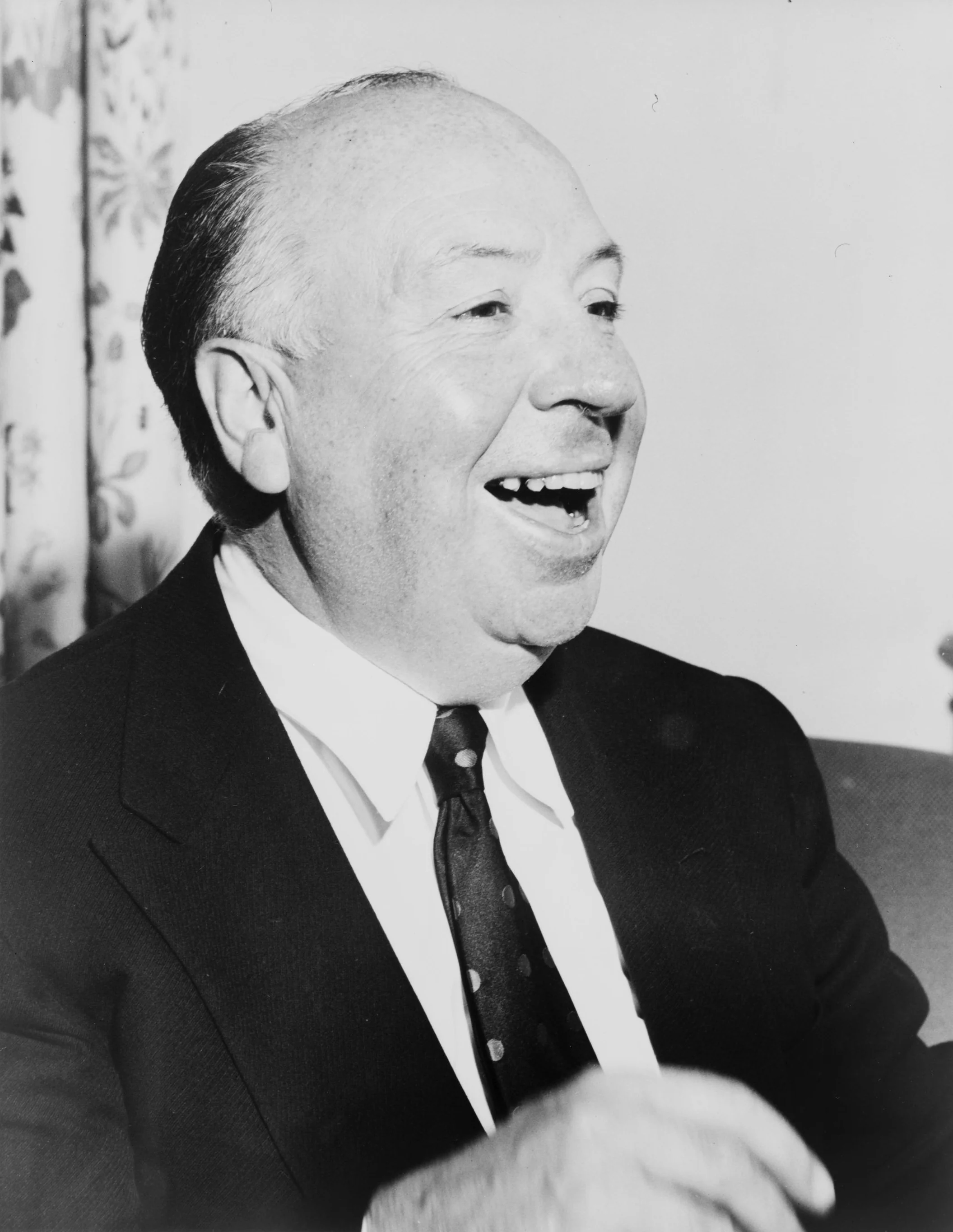
Image from Wikipedia
Image from Wikipedia
Cameo (Media) – the brief appearance with a big impact
When a fleeting moment becomes a cultural signature
A cameo is a surprisingly brief appearance of a well-known person in a film, series, comic, video game, or literary work; it is exactly this succinct presence that makes the term appealing. The appearance is often deliberately not announced beforehand or is revealed late, functioning as a staging of recognition, punchline, and media charm. The term derives from the English word "cameo," which refers to a cameo gem – a relief on a jewelry stone that one recognizes immediately once it catches the light. ([de.wikipedia.org](https://de.wikipedia.org/wiki/Cameo_%28Medien%29))
In the history of film and media, the cameo represents a precise, often playful intervention in the narrative. It does not just interrupt the illusion but expands it with a second layer: The known person becomes a signature in the image, a cultural reference, and a moment of self-reflection. Precisely because cameos cannot be pressed into a strict definition, they are so flexible as a narrative device and remain so popular today. ([de.wikipedia.org](https://de.wikipedia.org/wiki/Cameo_%28Medien%29))
Origin, significance, and film historical development
Wikipedia describes cameos as often surprising, very brief appearances of a well-known person, without clear rules regarding opening and closing credits or the exact length of the role. This ambiguity is not a flaw but part of the concept: The cameo thrives on expectation, deviation, and recognition. The fact that the American film producer Michael Todd is said to have coined the term in conjunction with his film Around the World in 80 Days from 1956 points to the close connection between cameos and grand Hollywood spectacle. ([de.wikipedia.org](https://de.wikipedia.org/wiki/Cameo_%28Medien%29))
Historically, the frequency of cameos has significantly increased since the 1950s and 1960s. Wikipedia mentions lavishly produced films such as Around the World in 80 Days (1956), The Longest Day (1962), It's a Mad, Mad, Mad, Mad World (1963), and The Greatest Story Ever Told (1965), which featured dozens of cameo appearances by Hollywood stars. This practice was also used effectively in marketing to garner attention and amplify the film's allure. ([de.wikipedia.org](https://de.wikipedia.org/wiki/Cameo_%28Medien%29))
Why cameos are so impactful
Cameos function like a cultural short circuit between narrative and reality. The viewer recognizes the person, interprets their public role, and experiences the appearance as an additional bearer of meaning. This creates an effect that operates equally through surprise, humor, homage, and cinematic intelligence. Especially in a medium that deals with illusions, the brief self-presence of a real figure serves as an intriguing disruption. ([de.wikipedia.org](https://de.wikipedia.org/wiki/Cameo_%28Medien%29))
The form is also suitable for condensing authority and authenticity. When real personalities play themselves or creators of their own stories briefly appear, a special realism emerges. Wikipedia provides examples from films, literature, and video games, demonstrating that the cameo has long been established as an aesthetic device across media. ([de.wikipedia.org](https://de.wikipedia.org/wiki/Cameo_%28Medien%29))
Examples from film, literature, and games
One of the most classic cinematic names is Alfred Hitchcock, whose brief appearances since The Lodger from 1927 became a trademark. Wikipedia describes that Hitchcock initially appeared in the frame out of practical necessity due to a lack of extras and developed it into a stylistic habit. Friedrich Wilhelm Murnau, Helmut Käutner, and jazz musician Klaus Doldinger are also mentioned as examples, with the latter featuring a cameo in Tatort, where he improvises his own theme melody. ([de.wikipedia.org](https://de.wikipedia.org/wiki/Cameo_%28Medien%29))
Literary works also use cameos as self-staging or autofictional play. Erich Kästner included himself in Emil and the Detectives in 1929, Wolfgang Herrndorf placed himself in the narrative of Pictures of Your Great Love, and Alice Munro created a cameo for Harold Pinter in Save the Reaper. In the video game realm, for example, Hideo Kojima includes himself in his games; Wikipedia refers to Metal Gear Solid V: The Phantom Pain and earlier installments of the series. ([de.wikipedia.org](https://de.wikipedia.org/wiki/Cameo_%28Medien%29))
Distinction, impact, and aesthetic function
A cameo is not simply any small role. Wikipedia explicitly distinguishes the term from allusions and Easter eggs concerning well-known objects like swords, rings, or cars. What remains crucial is the visible, usually brief presence of a well-known person or a clearly identifiable figure that embodies the appeal of the moment. ([de.wikipedia.org](https://de.wikipedia.org/wiki/Cameo_%28Medien%29))
The aesthetic function lies in the play with attention. Cameos can generate humor, mark a film as an insider text, or give a work a particular historical or cultural depth. In some cases, they serve marketing purposes, while in others, they create ironic breaks, tributes, or build realism within a fictional universe. ([de.wikipedia.org](https://de.wikipedia.org/wiki/Cameo_%28Medien%29))
Cultural influence and media historical relevance
The cameo is a small appearance with a considerable cultural historical resonance. It illustrates how popular media work with prominence, recognizability, and collective memory. In Hollywood, this technique was early on employed as a star mosaic, later further developed in television narratives, novels, and games as a reference structure. ([de.wikipedia.org](https://de.wikipedia.org/wiki/Cameo_%28Medien%29))
Marketing also benefits from this principle. When familiar names appear for just seconds, conversational value, social exchange, and an additional incentive for audiences and the press to discover the moment arise. Thus, the cameo is not only a narrative detail but a building block of cultural communication. ([de.wikipedia.org](https://de.wikipedia.org/wiki/Cameo_%28Medien%29))
Current perspective and media practice
In contemporary media use, the cameo remains a robust tool, especially because it is so easily adaptable to new formats. The official website of Cameo Media Production references film practice, storytelling, online worlds, virtual reality, 360° recordings, and interactive narration; creative story conveying is at the forefront. This connection of classical production and digital storytelling culture illustrates how broad the term "cameo" has become in today's media environment. ([cameomedien.de](https://www.cameomedien.de/))
The website also mentions keywords like "film production," "storytelling," and "online worlds," as well as the use of social media as platforms. This makes it clear that short, attention-grabbing appearances and visual recognizability are not only cinematic but also strategic principles of modern media communication. Therefore, the cameo remains a format that bridges art, marketing, and pop culture. ([cameomedien.de](https://www.cameomedien.de/))
Conclusion: Why cameos continue to fascinate
The cameo is more than a brief appearance. It is a precisely placed media gesture that consolidates recognition, surprise, and cultural knowledge. In film, series, literature, and game design, it becomes evident how much a few seconds can alter the relationship between the audience and the work. Those who consciously perceive these miniatures often discover more in them than in long sequences of scenes. ([de.wikipedia.org](https://de.wikipedia.org/wiki/Cameo_%28Medien%29))
Anyone interested in film history, narrative art, and pop culture should search for cameos with open eyes. They serve as small signals of great media competence, often playful, sometimes ironic, and always with a special sense of impact. A good cameo leaves exactly the impression that a cameo gem leaves: instantly recognizable, stylish, and unforgettable. ([de.wikipedia.org](https://de.wikipedia.org/wiki/Cameo_%28Medien%29))
Official channels of Cameo (Media):
- Instagram: no official profile found
- Facebook: no official profile found
- YouTube: no official profile found
- Spotify: no official profile found
- TikTok: no official profile found