
Erik Satie
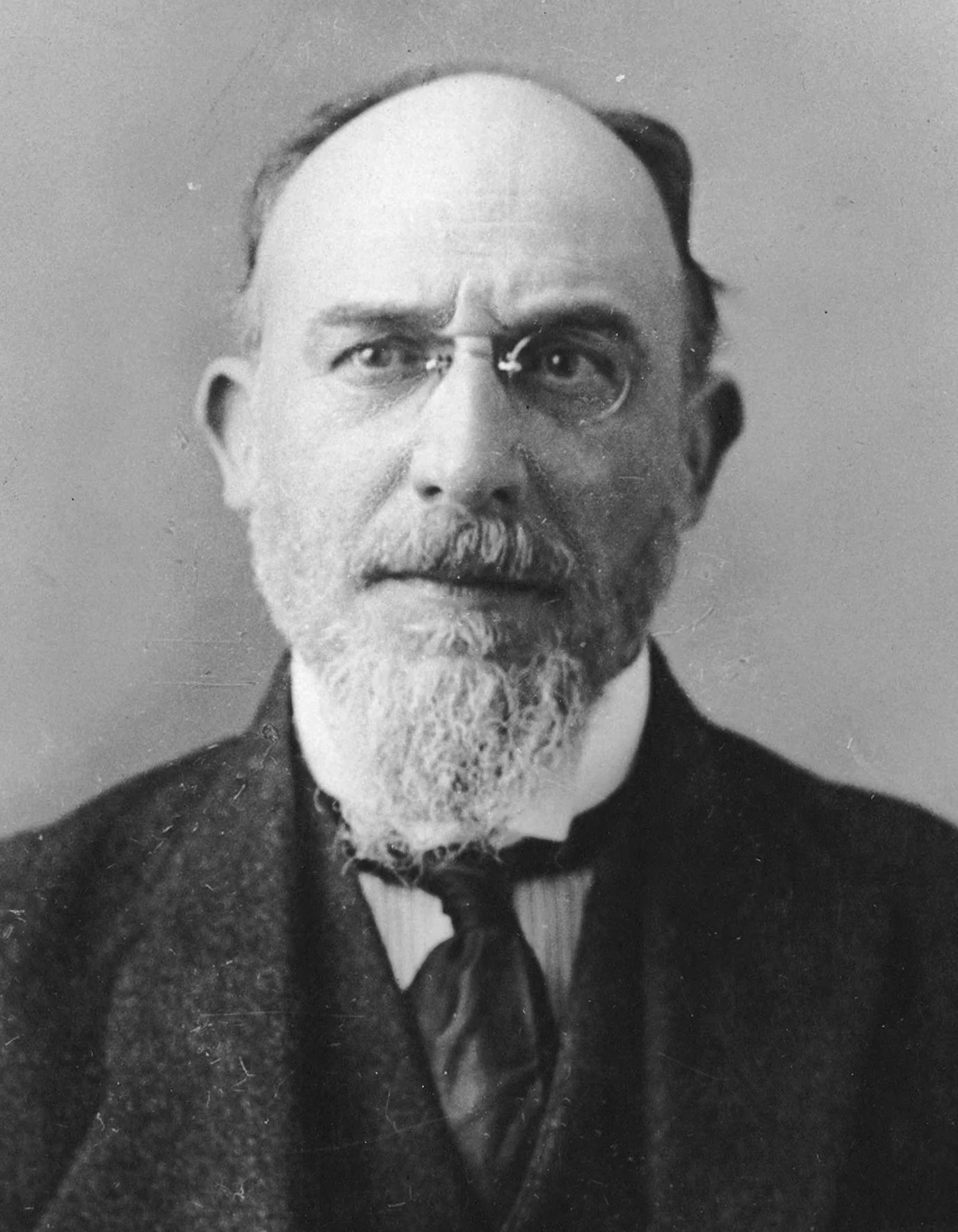
Image from Wikipedia
Image from Wikipedia
Erik Satie: The Quiet Revolutionary of the Piano
The French composer who radically simplified music and shaped modernity
Erik Satie, born Éric Alfred Leslie Satie on May 17, 1866, in Honfleur and died on July 1, 1925, in Paris, is one of those rare artistic figures whose influence extends far beyond their own work. The French composer and pianist combined simple forms, subtle irony, and a consistent departure from pathos into a distinctive musical language. It is precisely this apparent restraint that made him a pioneer of New Music, Jazz, and later popular music. ([britannica.com](https://www.britannica.com/biography/Erik-Satie))
From Honfleur to Paris: The Beginnings of an Unconventional Music Career
Satie's artistic career began in an environment that early on shaped him with a mix of cultural education and outsider status. He studied at the Paris Conservatory but dropped out and later worked as a café pianist. These stages gave his musical career a particular tension: He navigated between academic training, bohemia, and the everyday life of the Paris music scene. ([britannica.com](https://www.britannica.com/biography/Erik-Satie))
From an early age, Satie developed an attitude that opposed decorative virtuosity. Instead of grand romantic gestures, he focused on concentration, reduction, and sonic clarity. His works often originated from a compositional idea that seemingly requires little material but creates a strong atmosphere through that very simplicity. This aesthetic decision makes him so important in music history. ([britannica.com](https://www.britannica.com/biography/Erik-Satie))
The Gymnopédies and Gnossiennes: Satie's Sonic Signatures
Satie became internationally known primarily through the three piano pieces of the Gymnopédies, composed in 1888, the first of which remains the most popular to this day. Following that were the Gnossiennes, whose open form and peculiar harmonics further emphasize Satie's distinctive style. These pieces appear simple at first glance, yet they unfold a subtle depth of melancholy, suspended motion, and clear structure. ([britannica.com](https://www.britannica.com/biography/Erik-Satie))
In these miniatures, Satie's compositional mastery is particularly evident. He avoids overloading the music, working with short motifs, recurring gestures, and a musical dramaturgy aimed not at climactic effects, but at quiet stillness. In reception, this clarity is considered a key to his lasting impact, as it deeply influences Minimal Music, Ambient, and experimental music. ([durand-salabert-eschig.com](https://www.durand-salabert-eschig.com/-/media/Images/DSE/PDFs/Brochures/S/satie_erik.ashx?hash=42EED1B47BE93C44EE1319D2757F47C1D15DC582&la=en-GB))
Avant-Garde, Dada, and the Stage: Satie as a Boundary Crosser of Modernity
From around 1890, Satie became part of the symbolic and avant-garde movements of his time. He worked for a time under the influence of Rosicrucianism and later lived a reclusive lifestyle in Arcueil, a suburb of Paris, from 1898, where he maintained an eccentric lifestyle. Starting in 1905, he also studied at the Schola Cantorum under Vincent d'Indy and Albert Roussel, adding another disciplined layer to his work. ([britannica.com](https://www.britannica.com/biography/Erik-Satie))
Satie's proximity to the artistic movements of the early 20th century was particularly influential. He collaborated with personalities such as Picasso, Cocteau, Picabia, Derain, Braque, Tzara, and René Clair, becoming a leading figure for the groups Les Six and the École d'Arcueil. His music thus represents not only an individual style but also an aesthetic attitude: the connection of music, theater, visual arts, and conceptual art. ([durand-salabert-eschig.com](https://www.durand-salabert-eschig.com/-/media/Images/DSE/PDFs/Brochures/S/satie_erik.ashx?hash=42EED1B47BE93C44EE1319D2757F47C1D15DC582&la=en-GB))
Musical Language: Simplicity as a Radical Art Form
Satie's work often appears understated, yet therein lies its radicalism. A review in The Guardian describes him as a composer who strips away any form of artificiality and spectacle, condensing his pieces to their essence. This reduction creates a state of calm, order, and concentration, which resonates both in concert halls and in home listening. ([theguardian.com](https://www.theguardian.com/music/2016/may/15/erik-satie-piano-works-olga-scheps-review))
German Gramophone also emphasizes his role as a composer who wrote not only for adults but also aimed to introduce children and young listeners to the sound world of modernity. Satie was thus not just a loner but a mediator of new listening attitudes. This fundamental aspect contributes to his cultural-historical significance. ([deutschegrammophon.com](https://www.deutschegrammophon.com/de/komponist-innen/erik-satie/biografie))
Discography, Reception, and Lasting Impact
Satie's discography is historically a canon of piano pieces, stage music, and experimental compositions, but its impact is much broader. His most famous works include Trois Gymnopédies, Six Gnossiennes, Parade, Relâche, and Socrate. Britannica cites these titles as central cornerstones of his oeuvre, highlighting the range between intimate piano miniature and grand stage concept. ([britannica.com](https://www.britannica.com/biography/Erik-Satie))
Reception continues to highlight his ability to create new listening experiences. In music streaming, Satie emerges as one of the consistently present composers in classical music, with millions of monthly listeners and popular titles like Gymnopédie No. 1 and Gnossienne No. 1. The intergenerational appeal of these pieces showcases the unusual accessibility of his compositional language. ([open.spotify.com](https://open.spotify.com/artist/459INk8vcC0ebEef82WjIK?utm_source=openai))
The academic world now reads Satie not merely as an eccentric outsider, but as a serious modernist. The catalog of the Durand-Salabert-Eschig brochure describes his influence on Debussy, Ravel, Stravinsky, and John Cage, and his proximity to repetitive, experimental, minimalist, and ambient music. Satie thus emerges as a historical reference point in a long line of musical renewal. ([durand-salabert-eschig.com](https://www.durand-salabert-eschig.com/-/media/Images/DSE/PDFs/Brochures/S/satie_erik.ashx?hash=42EED1B47BE93C44EE1319D2757F47C1D15DC582&la=en-GB))
Cultural Influence: From the Concert Hall to Pop, Jazz, and Ambient
Satie's influence extends far beyond classical music. Britannica emphasizes his formative influence on the music of the 20th century, particularly in France, while international reception places him as a source of inspiration for jazz and pop. His works function as sound spaces where reduction does not mean impoverishment but opens a new form of expression. ([britannica.com](https://www.britannica.com/biography/Erik-Satie))
Especially important is Satie's concept of musique d’ameublement, or "furniture music," which seeks not to be foregrounded. This thinking resonates in later ambient aesthetics and in the idea of music as atmosphere. When today’s pianists, jazz musicians, and crossover projects draw on Satie, it is not out of nostalgia, but because his compositional logic still sounds modern. ([durand-salabert-eschig.com](https://www.durand-salabert-eschig.com/-/media/Images/DSE/PDFs/Brochures/S/satie_erik.ashx?hash=42EED1B47BE93C44EE1319D2757F47C1D15DC582&la=en-GB))
Current Projects and New Releases Related to Satie
As a deceased composer, Erik Satie has no new releases of his own, but the year 2025 impressively showcases his ongoing presence in the music scene. Warner Classics released a digital album titled Satie: Discoveries by Alexandre Tharaud for Satie's hundredth death anniversary, describing it as an unprecedented immersion into his sound world. Additionally, harmonia mundi and other labels have released new Satie-related recordings and reissues. ([warnerclassics.com](https://www.warnerclassics.com/release/satie-discoveries?utm_source=openai))
Simultaneously, numerous tributes and projects are reinterpreting Satie's material. This includes Tessa Souters' Shadows and Silence: The Erik Satie Project and Juan María Solares' Satie: Gnossiennes, released for the centenary year 2025. Such productions demonstrate how alive Satie's work remains in the 21st century and how strongly it attracts musicians across various genres. ([allaboutjazz.com](https://www.allaboutjazz.com/album/shadows-and-silence-the-erik-satie-project-tessa-souter?utm_source=openai))
Voices of the Fans
Since no definitively verified official social media profiles of Erik Satie were found, this section is entirely omitted.
Conclusion: Why Erik Satie Continues to Fascinate Today
Erik Satie is an exceptional artist because he made music not louder, but clearer. His works possess a rare blend of simplicity, intelligence, and poetic strangeness that continues to captivate composers, pianists, and listeners today. Those who listen to Satie encounter not just famous piano miniatures, but a whole attitude towards art: reduced, precise, and unerringly modern. ([britannica.com](https://www.britannica.com/biography/Erik-Satie))
This blend of elegance and understatement makes Satie so intriguing. His music opens up spaces for concentration, daydreaming, and intellectual freedom, thus remaining highly relevant in concert halls as well as in the streaming age. A live experience with Satie's music, whether in a piano recital or a modern interpretation, is always worthwhile: it reveals how significant a quiet gesture can be. ([open.spotify.com](https://open.spotify.com/artist/459INk8vcC0ebEef82WjIK?utm_source=openai))
Official Channels of Erik Satie:
- Instagram: No official profile found
- Facebook: No official profile found
- YouTube: No official profile found
- Spotify: No official profile found
- TikTok: No official profile found
Sources:
- Britannica – Erik Satie
- Deutsche Grammophon – Erik Satie, Biography
- The Guardian – Satie: Piano Works CD review
- Durand-Salabert-Eschig – SATIE 99
- Spotify – Erik Satie
- Warner Classics – Satie: Discoveries
- harmonia mundi – Avant-dernières pensées
- harmonia mundi – SATIE. Planès
- Solo Piano – Satie: Gnossiennes
- Wikipedia: Image and text source