
Klaus Hoffmann (Liedermacher)
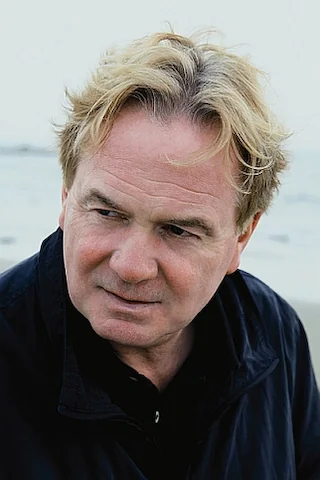
Image from Wikipedia
Image from Wikipedia
Klaus Hoffmann: Berliner Chansonnier, Schauspieler und Meister der großen kleinen Lieder
An Artist Who Sings, Acts, and Tells Stories about Berlin
Klaus Hoffmann, whose full name is Klaus-Dieter Hoffmann, is one of the most distinctive voices in the German singer-songwriter scene. Born on March 26, 1951, in Berlin, he early on developed an artistic identity that intertwines music, acting, and literature. His career represents poetic songwriting, a strong stage presence, and a deep connection to his hometown. ([de.wikipedia.org](https://de.wikipedia.org/wiki/Klaus_Hoffmann_%28Liedermacher%29?utm_source=openai))
As a singer, actor, author, and chansonnier, Hoffmann combines personal memory with social observation. His songs revolve around Berlin, longing, loss, love, and self-reflection, while never succumbing to mere nostalgia. This gives rise to his artistic impact: intimate stories with literary depth and musical elegance. ([rollingstone.de](https://www.rollingstone.de/111-songs-klaus-hoffmann-in-meinem-kiez-360257/))
Biographical Roots: Berlin, Family, and Early Influences
Hoffmann grew up in Berlin-Charlottenburg. His father was a financial officer and loved music, while his mother worked as a laborer; the early death of his father had a lasting impact on their family’s emotional narrative. This background is palpable in many of his songs, where memory, social environments, and the vulnerability of everyday life play a central role. ([deutschlandfunk.de](https://www.deutschlandfunk.de/70-geburtstag-von-klaus-hoffmann-die-grosse-kunst-der-100.html))
After finishing secondary school, he trained as a wholesale merchant for steel and iron before attending the Max Reinhardt acting school in Berlin. Simultaneously, he discovered the guitar, began writing his first lyrics and melodies, and performed in Berlin clubs during the late 1960s and early 1970s. This laid the groundwork for a music career that was never solely about the music but always narrative and theatrical. ([kj.de](https://kj.de/download.php?artist=Klaus+Hoffmann-Presseinfo+2026&file=%2Fimages%2Fmedia%2F3636_24713.pdf&utm_source=openai))
Breakthrough in Club Culture and on Stage
His artistic breakthrough began in the Berlin scene of the 1970s. By the middle of the decade, he was already successful as a songwriter while simultaneously receiving engagements in theaters and gaining attention as an actor. AllMusic describes his career as a connection between alternative club culture, acting training, and later recognition through a defining film role. ([allmusic.com](https://www.allmusic.com/artist/klaus-hoffmann-mn0000721699))
Hoffmann became particularly well-known for his role as Edgar Wibeau in the film adaptation of Ulrich Plenzdorf's Die neuen Leiden des jungen W. in 1976. This role brought him to a wider audience and affirmed his exceptional status as an artist straddling film, theater, and songwriting. At the same time, music remained his true focal point, supported by intense stage work and a program that always thrives on the spoken word. ([allmusic.com](https://www.allmusic.com/artist/klaus-hoffmann-mn0000721699))
Musical Development: From Folk Sound to Chanson Poet
His first album was released in 1975, and early on, Hoffmann’s inclination toward a singing style that combines German folklore, chanson, and poetic storytelling became evident. Rolling Stone describes how his early songs initially drew from folkloric forms before becoming more chanson-like and increasingly reflected life in Germany. This added depth, melancholy, and linguistic precision to his music. ([rollingstone.de](https://www.rollingstone.de/111-songs-klaus-hoffmann-in-meinem-kiez-360257/))
In his artistic development, the focus shifted from pure song form to more dramatically constructed narratives. Hoffmann works with atmosphere, character development, and a keen sense of nuance that makes his compositions distinctive. His songs often feel like small scenes from a Berlin memory film: detailed, emotional, and yet open to interpretation. ([rollingstone.de](https://www.rollingstone.de/111-songs-klaus-hoffmann-in-meinem-kiez-360257/))
Jacques Brel, Chanson, and the International Dimension
One of the most important constants in Hoffmann’s work is Jacques Brel. Hoffmann is regarded as one of the leading German interpreters of the Belgian chansonnier and has engaged with Brel’s work for decades. This closeness to Brel gives his work a European dimension, where French chanson, German song tradition, and dramatic stage presence intertwine. ([allmusic.com](https://www.allmusic.com/artist/klaus-hoffmann-mn0000721699))
His intense engagement with Brel culminated in the 1997 musical Die letzte Vorstellung as well as further programs and interpretations. With this, Hoffmann demonstrated that he is not only an author of his own songs but also an outstanding mediator of great chanson traditions. His art stands for cultural translation: not merely verbal but also emotional and theatrical. ([rollingstone.de](https://www.rollingstone.de/111-songs-klaus-hoffmann-in-meinem-kiez-360257/))
Discography: An Extensive Body of Work with Clear Milestones
Hoffmann’s discography is remarkably extensive. According to official and editorial sources, he has released over 40 albums throughout the decades; Karsten Jahnke even mentions his 51st album for 2025. Notable works include Westend, Morjen Berlin, Es muss aus Liebe sein, Sänger, Insellieder, Flügel, and Ich bin. ([nmz.de](https://www.nmz.de/menschen/personalia/11-fragen-klaus-hoffmann?utm_source=openai))
The range spans from studio albums to live recordings to literary-musical formats and children's productions. AllMusic documents this stylistic breadth in a long discography that presents Hoffmann as a versatile primary artist, composer, and occasionally as a contributor to other projects. This span is what makes his career enduring and culturally significant. ([allmusic.com](https://www.allmusic.com/artist/klaus-hoffmann-mn0000721699))
Achievements, Awards, and Critical Reception
Hoffmann has received numerous awards. Early accolades include the Golden Camera for Die neuen Leiden des jungen W., the Bambi, and the German Small Arts Prize in the chanson category. Later came the German Record Prize, and in 2026 the announcement of the awarding of the Federal Cross of Merit on ribbon. ([25music.de](https://www.25music.de/artist/hoffmann-klaus.html?utm_source=openai))
The music press repeatedly highlights his special position. Deutschlandfunk calls him an artist with great songwriting, while Rolling Stone describes him as a solitary figure among German songwriters. Reviews and profiles emphasize his ability to shape great emotions from small observations of everyday life without losing melodic lightness. ([deutschlandfunk.de](https://www.deutschlandfunk.de/70-geburtstag-von-klaus-hoffmann-die-grosse-kunst-der-100.html))
Current Projects, New Music, and Concert Life
Even from 2024 to 2026, Hoffmann remains productive. In 2024, Flügel was released, which was introduced on concert tour; Karsten Jahnke announced the 51st album Ich bin on November 28, 2025, which will then go on a concert tour across Germany. Furthermore, a double live CD to mark his 75th birthday from the Berlin Philharmonie is scheduled for October 16, 2026. ([kj.de](https://kj.de/images/media/3119_22008.pdf?utm_source=openai))
The current programs showcase Hoffmann as an indefatigable live artist. Press releases and tour dates mention duo evenings with Hawo Bleich, concerts with a band, and a repertoire that connects new songs, older classics, and transitional texts. His current stage work underscores that the power of his art lies in the immediate contact with the audience. ([kj.de](https://kj.de/bookingartist/3636/klaus-hoffmann.html?utm_source=openai))
Style, Themes, and Cultural Influence
Hoffmann’s style is characterized by poetic condensation, melodic clarity, and a distinct proximity to chanson. His songs combine the heaviness of the German soul with French charm, occasionally tinted with Irish and Latin American colors, thus creating a distinctive sound space. The production often remains lean enough to foreground voice, text, and emotional tension. ([kj.de](https://kj.de/images/media/3119_22008.pdf?utm_source=openai))
In terms of content, his work revolves around Berlin as a space of memory, family, love, vulnerability, and the search for identity. These motifs lend his music career cultural depth as they connect personal experience with collective history. Hoffmann has thereby shaped a form of German song that remains intimate, literary, and effective on stage. ([rollingstone.de](https://www.rollingstone.de/111-songs-klaus-hoffmann-in-meinem-kiez-360257/))
Conclusion: An Artist with Attitude, Heart, and a Grand Stage
Klaus Hoffmann remains intriguing because he has never just been a singer or an actor; he has always been a storyteller with conviction. His discography, stage presence, and close tie to Berlin make him a prominent figure in German-speaking music history. Those who experience him live encounter an artist who transforms memories into music and makes every concert a personal event. ([rollingstone.de](https://www.rollingstone.de/111-songs-klaus-hoffmann-in-meinem-kiez-360257/))
Especially in times of fleeting trends, Hoffmann's work stands as a counterpoint: focused, human, and stylistically aware. His songs carry the experience of a long artistic life without losing curiosity. This is precisely why it is worthwhile to see Klaus Hoffmann on stage – there, his art unfolds its full emotional and musical impact. ([stille-musik.de](https://www.stille-musik.de/?kat=11&utm_source=openai))
Voices of the Fans
This section is omitted, as there was no clearly verified official social media channel with reliable fan comments available through the web search. However, documented reactions on the official website and in press sources indicate a long-standing, emotionally loyal audience. ([stille-music.de](https://www.stille-music.de/?kat=9&p=2))
Official Channels of Klaus Hoffmann:
- Instagram: no official profile found
- Facebook: no official profile found
- YouTube: https://www.youtube.com/channel/UC-K0MJXoRS6dTfuDlzESJYA
- Spotify: no official profile found
- TikTok: no official profile found
Sources:
- stille-musik.de – Official Website of Klaus Hoffmann
- stille-musik.de – Chronology and Career Notes
- stille-musik.de – Current Press/Concert Voices
- Karsten Jahnke Concert Agency – Klaus Hoffmann
- Karsten Jahnke Concert Agency – Press Info 2026
- Karsten Jahnke Concert Agency – Press Info Flügel 2024
- AllMusic – Klaus Hoffmann Biography, Discography, Albums & Expert Reviews
- Deutschlandfunk – 70th Birthday of Klaus Hoffmann
- Rolling Stone – 111 Songs: Klaus Hoffmann – "In My Neighborhood"
- Wikipedia: Klaus Hoffmann (Liedermacher) – Image and Text Source